
 Business License

How to Choose a Remote Control Lawn Mower: A Complete Buyer's Guide
Derek Hahn thought he had done his homework. He compared three websites, watched two YouTube videos, and ordered a $3,200 remote-controlled mower for his landscaping crew in Oregon. The website claimed "handles steep slopes with ease." On paper, it looked perfect. Two weeks later, the machine stalled on a 30° riverbank, threw a track, and left his operator dragging it uphill with a tow strap. The manufacturer stopped answering emails the day after delivery.
Derek's mistake wasn't that he bought a remote control lawn mower. His mistake was that he didn't know what to look for before he bought one.
If you're researching how to choose a remote control lawn mower, you already understand the value. You know that keeping the operator off the slope eliminates rollover risk, flying debris injuries, and heat exhaustion. You know that one machine can replace a multi-person hand crew on dangerous terrain. What you need now is a clear, no-nonsense framework for separating the machines that can actually do the job from the ones that just look good in a product photo.
This guide gives you that framework. We'll walk through the seven factors that determine whether a remote-controlled mower will earn its keep on your job site or become an expensive lesson. By the end, you'll know exactly which specs to demand, which certifications to verify, and which questions to ask before you sign a purchase order.
Start With the Slope Angle Your Terrain Actually Demands
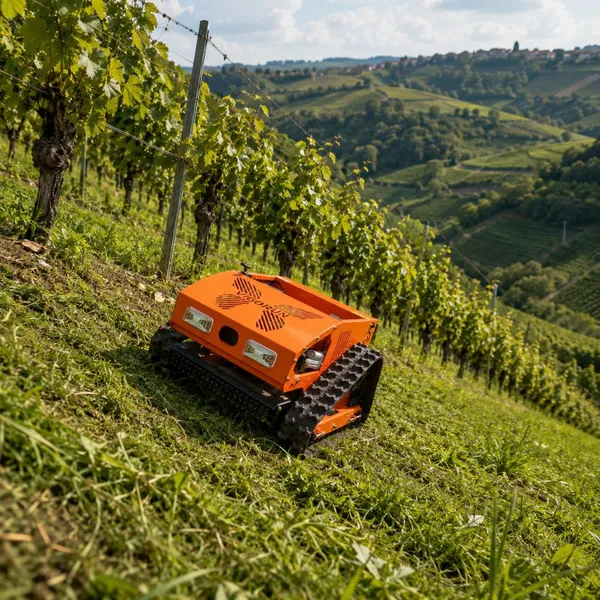
The first number you need is the steepest grade you will ever ask this machine to climb. Not the average grade. The maximum grade. Measure it with a clinometer app on your phone, or ask your surveyor. Write that number down. Everything else flows from it.
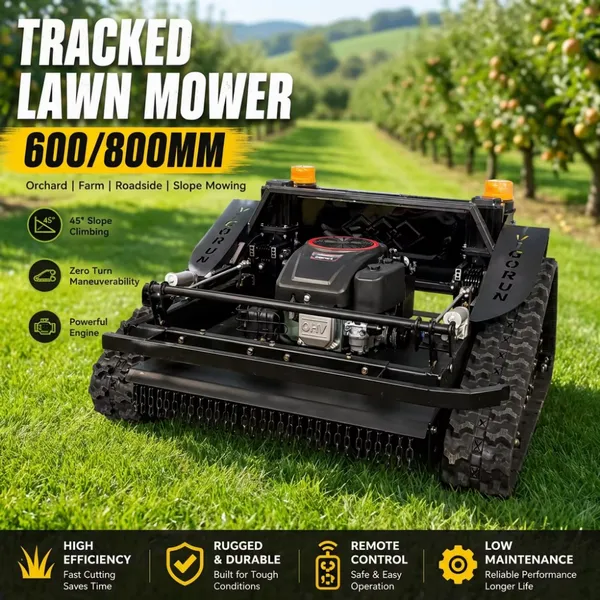
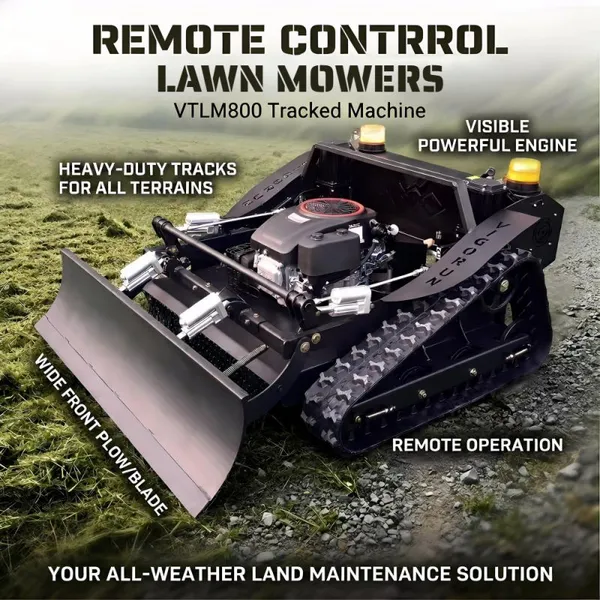
A commercial-grade remote control lawn mower with a tracked chassis, like the Vigorun VTLM800, is rated to climb up to 45° on dry, firm grass. That rating is verified on factory test ramps before the unit ships. On wet or loose terrain, every manufacturer — including us — recommends staying under 35° to maintain safe traction. If your job site includes retention pond banks, highway embankments, or orchard terraces that push past 30°, you need a tracked machine, not a wheeled one. Wheels lose grip on wet grass above 20°. Tracks distribute weight and grip the surface.
When Derek measured his riverbank properly after the failure, he discovered the grade was 34° in places. The machine he bought had no published slope rating at all. The website had simply said "steep slope capable." That is not a spec. That is marketing copy. Demand a number, and demand proof.
Pro Tip: Walk your worst slope after rain. If the ground gives under your boot, the machine will struggle too. Buy for your worst day, not your best day.
Want to see how a tracked chassis performs on real slopes? Browse the Vigorun remote control lawn mower range and compare slope ratings side by side.
Match the Engine and Powertrain to Your Job Site
Once you know your slope, match the powertrain to the workload. There are three questions here: fuel type, horsepower, and emission compliance.
Fuel type. Gasoline engines dominate the commercial remote mower market because they deliver the torque-to-weight ratio needed for slope climbing. A 22-hp gasoline engine gives you enough power to drive the tracks uphill while spinning the blade through thick grass and light brush. Diesel options exist, but they add weight and cost. Electric and battery-powered units work for flat villa lawns, but they lack the sustained torque for steep grades and heavy vegetation.
Horsepower. For slopes above 25° and vegetation thicker than standard lawn grass, look for at least 16 hp. For commercial brush clearing, heavy orchard maintenance, or municipal roadside work, 20-24 hp is the practical minimum. Anything below 16 hp will bog down on a grade when the grass is wet.
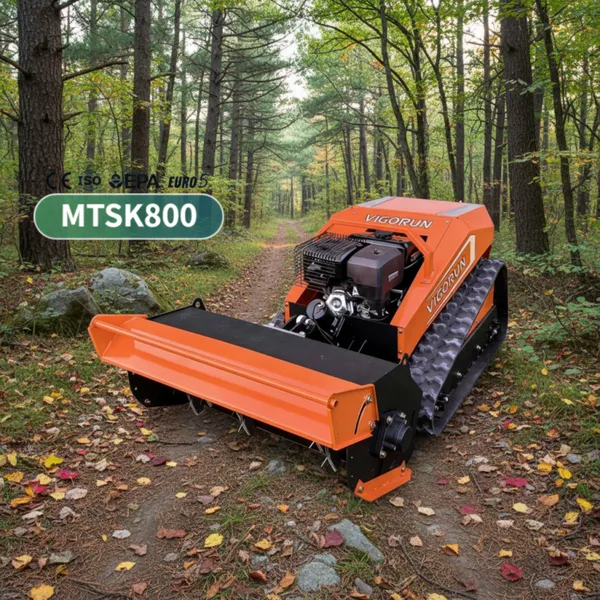
Emission compliance. If you are buying for resale, or if you operate in North America, Europe, or Australia, your engine documentation matters. Every gasoline unit should ship with CE certification for European markets and EPA emission compliance for U.S. import. Without those certificates, your machine can sit in customs for weeks, or your municipality's procurement department can reject the bid. Vigorun ships the full documentation package — CE, EURO V, and EPA — with every container so your broker has what they need on day one.
Choose the Right Cutting System for Your Vegetation Type
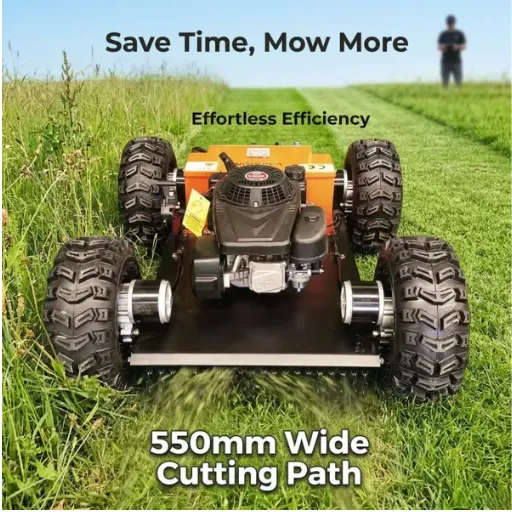
Not every remote control lawn mower cuts the same way. The cutting system you choose determines what the machine can actually clear, and how often you will need to swap attachments.
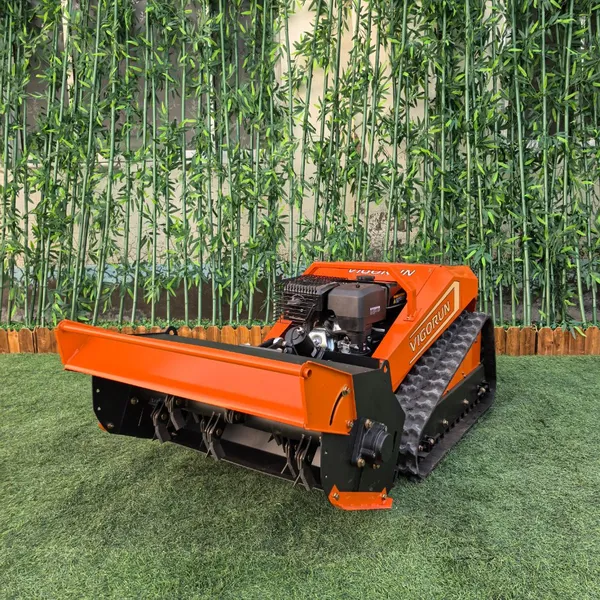
Rotary deck. This is the standard configuration for grass, weeds, and light brush up to about 25 mm thick. It works for villa lawns, sports fields, and maintained orchards where the primary job is grass control. Rotary decks are simpler, lighter, and easier to maintain.
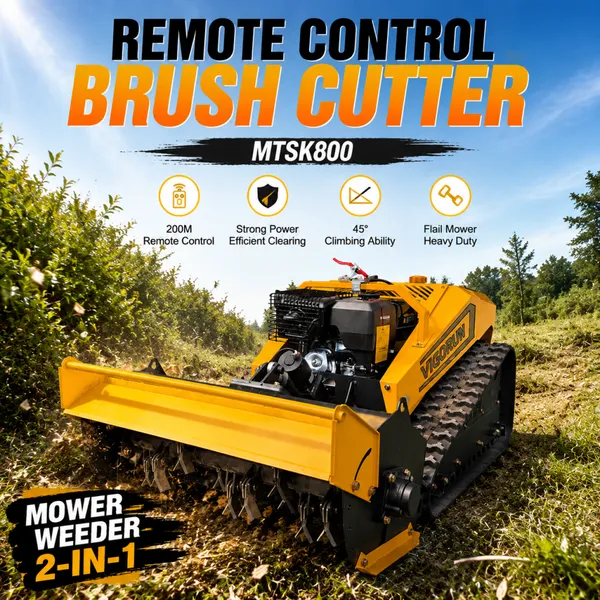
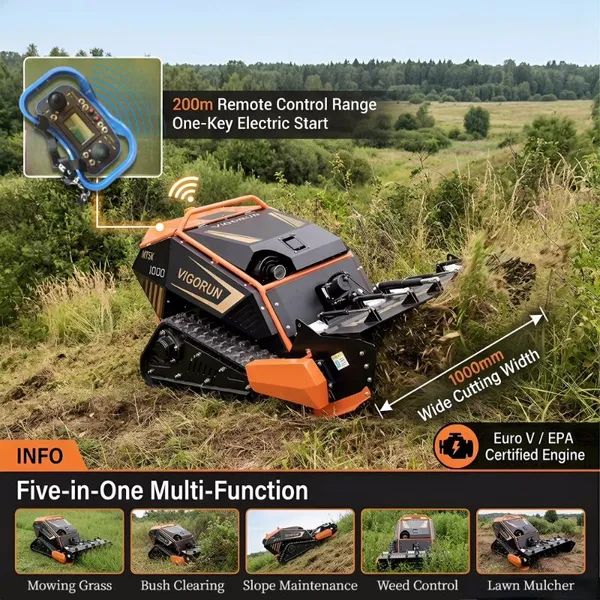
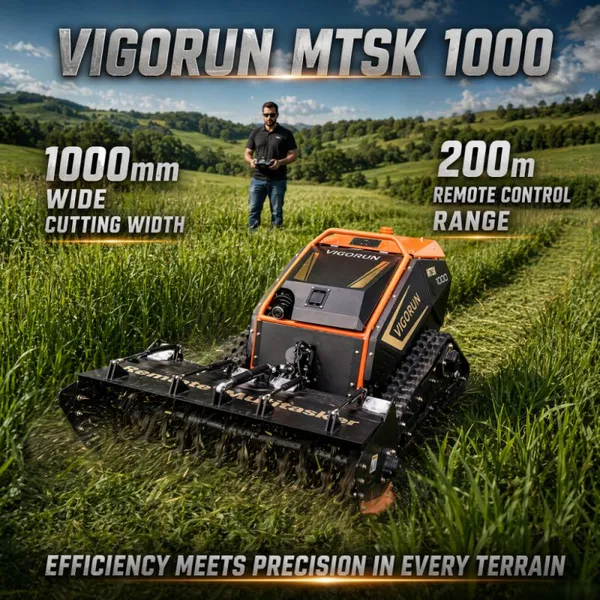
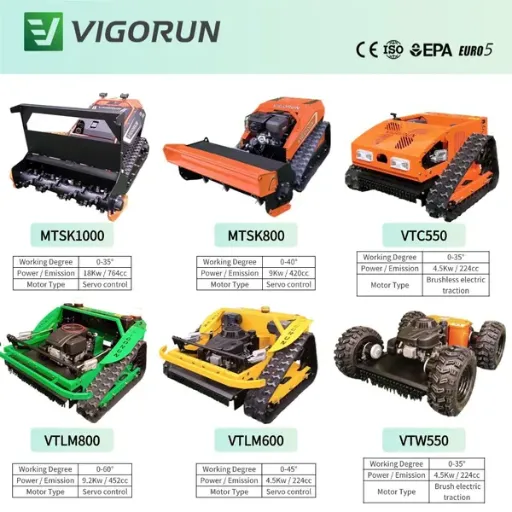
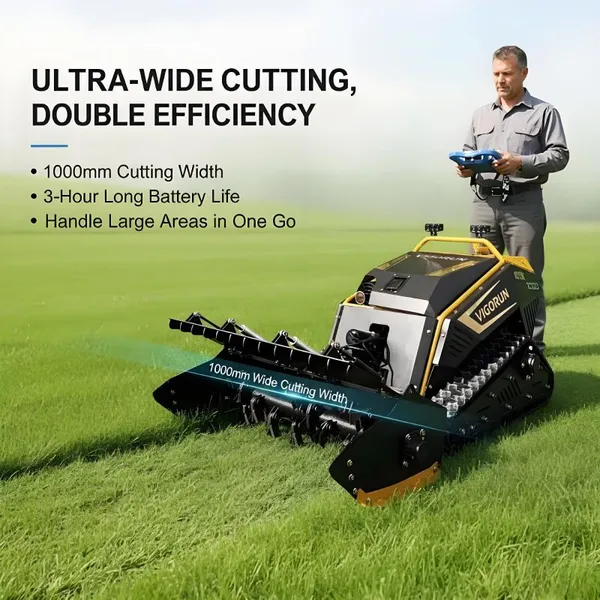
Flail head. If your terrain includes woody brush, saplings, overgrown fence lines, or firebreak maintenance, you need a flail mower. The flail system uses hinged blades or hammer teeth that shred material rather than slicing it. A machine like the Vigorun MTSK1000 remote control flail mower handles brush and saplings that would stall a rotary deck in seconds. The trade-off is weight and fuel consumption, but on rough terrain the flail head is the only tool that finishes the job.
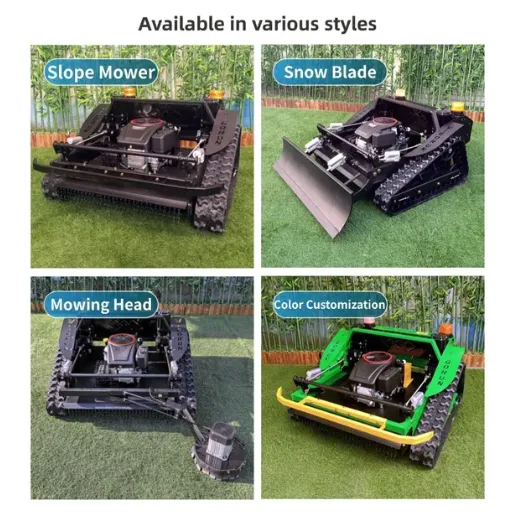
Attachment platforms. Some buyers need more than mowing. If you spray orchards, haul fruit between rows, or clear snow in winter, look for a chassis that supports interchangeable implements. The Vigorun MultiTasker platform accepts mower decks, flail heads, sprayer attachments, and transport beds on the same tracked base. One machine replaces three pieces of equipment, and your operator only needs to learn one control system.
Distributor Note: If you are buying for resale, stock the rotary deck as your volume mover and position the flail head as your margin extender. End-users who start with grass often upgrade to brush within a season.
Verify Certifications Before You Compare Prices
The lowest price is rarely the best value. The best value is the lowest total cost for a machine that clears customs, passes inspection, and stays running for five years. That is where certifications come in.
Every remote control lawn mower you consider should have these four documents ready before you pay:
CE certification. Required for European Economic Area import and resale. Proves the machine meets EU safety, health, and environmental standards.
EPA emission compliance. Required for U.S. import and operation in regulated states. Without it, CARB-aligned states — California, Oregon, and others — can block registration.
EURO V or EURO VI engine documentation. Confirms the gasoline engine meets current European emission standards.
Factory test report. A document from the actual manufacturer showing the unit passed indoor bench tests and outdoor field tests before crating.
If the seller cannot produce these documents on request, you are not buying from a manufacturer. You are buying from a trading company that bought the unit from an unknown factory and added their margin. Trading companies rarely have the documentation, and they almost never have the parts catalog. See Vigorun's CE and EPA certification documentation to understand what a proper certificate package looks like.
Maria Santos, a municipal procurement officer in Chile, learned this the hard way. Her first import order arrived without EPA paperwork. The customs hold cost her three weeks and $1,800 in storage fees. Her second order came from a factory that shipped the full certificate package inside the crate. The container cleared in 48 hours.
Control Range and Safety Features That Actually Matter
The whole point of a remote control lawn mower is distance. The operator should never set foot on the slope while the machine is running. That means your control range and safety systems are not convenience features. They are survival features.
Control range. Look for an industrial-grade 2.4 GHz radio system rated for at least 200 meters in line-of-sight conditions. That distance covers most riverbank, roadside, orchard, and solar farm jobs. It gives the operator room to stand on flat, stable ground while the machine works the grade. Consumer-grade RC systems — the kind used on hobby drones and toy cars — often fail at 50 meters when trees or terrain block the signal. Demand a 200-meter industrial radio, and test it on your actual site before the operator commits to a full workday.
Emergency stop. Both the handheld transmitter and the chassis should have a hardware E-stop button. One press kills the blade and stops all motion instantly.
Lost-signal failsafe. If the radio signal drops — because of terrain, interference, or transmitter battery failure — the machine must automatically stop the blade and halt movement. This is not optional. Any machine without a failsafe is a liability waiting to happen.
Battery indicator. The transmitter should display real-time battery level. A dead transmitter halfway up a 35° slope is a dangerous situation.
Calculate Total Cost of Ownership, Not Just the Sticker Price
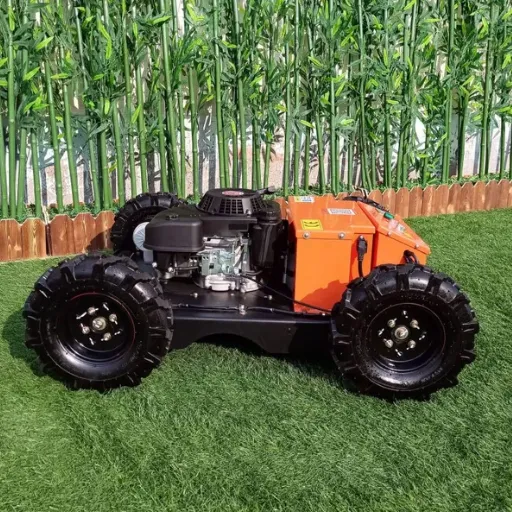
The purchase price of a remote control lawn mower is only the first number. The real number is what you spend over five years: fuel, maintenance, parts, downtime, and resale value. Here is how to think about it.
Purchase price. A commercial-grade tracked remote mower with a gasoline engine, CE/EPA certification, and 200-meter radio typically ranges from $4,500 to $8,500 FOB factory for a single unit, depending on engine size and attachment. Hobby-grade units sell for half that price, but they lack the torque, track system, and safety features for real job sites. If a price seems too good to be true, the machine is built for a lawn, not a slope.
Fuel and maintenance. Gasoline engines are straightforward to service. Oil changes, air filter replacement, and track tension checks are standard. A commercial unit with whole-life parts support costs roughly 300−300−500 per year in routine maintenance. A unit with no parts catalog becomes a $6,000 paperweight the first time a sprocket wears out.
Labor savings. This is where the math shifts. A remote mower on a steep slope replaces two workers with one operator. On municipal and commercial contracts, that labor reduction typically pays for the machine within 14 to 18 months. After that, every hour the machine runs is margin you did not have before.
Downtime cost. Every day your machine is in the shop is a day you are renting equipment or paying a hand crew. A manufacturer with a stocked parts catalog and air-freight support can get you running in days. A trading company without parts can leave you waiting for months.
Ready to compare real numbers for your operation? Contact the Vigorun sales team for a detailed quote that includes FOB pricing, container loading, and parts support.
Vet the Manufacturer Like You'd Vet an Employee
The machine is only as good as the factory that built it. Before you buy, verify who you are actually sending money to.
Ask for the factory name and address. A real manufacturer will give you a precise location. "Weifang, Shandong Province, China" means something. It places the factory in the same industrial corridor as Weichai Power and Caterpillar SEM — a region with 15-plus years of machinery manufacturing infrastructure. A vague address or a refusal to name the city is a red flag.
Ask for production capacity. A real factory produces at scale. Vigorun's Weifang line builds approximately 200 lawn mowers per month. That volume means they have dedicated QC staff, spare parts inventory, and the cash flow to honor a warranty claim six months after sale. A trading company moving five units per month has none of that.
Ask for a video call. Any factory that is proud of its line will walk you through it on camera. Watch for welding stations, assembly jigs, paint booths, and a dedicated outdoor test ramp. If the video shows only a warehouse full of crated boxes, you are looking at a reseller, not a builder.
Ask about warranty and parts. A 1-year manufacturer warranty is standard for commercial-grade remote mowers. Whole-life parts support is what separates a partner from a vendor. If the seller cannot tell you how long a replacement track takes to ship, they do not have a parts operation.
Lars Hoffman, a distributor in Gdansk, Poland, visited three Chinese suppliers before choosing his manufacturing partner. Two of them turned out to be trading companies operating from apartments. The third had a production line, a QC team, and a test ramp where every unit climbed a 45° slope before crating. Lars has now sold 80 units under his own brand, and every one of them arrived ready to run.
Conclusion: Buy for the Worst Slope, Not the Best Day
Learning how to choose a remote control lawn mower comes down to seven decisions: slope rating, engine power, cutting system, certifications, control range, total cost of ownership, and manufacturer credibility. Get those right, and you buy a machine that earns its keep for years. Get one wrong, and you join the list of buyers who learned the hard way.
Start with your maximum slope angle. Match the engine and cutting system to your vegetation. Verify CE and EPA paperwork before you talk price. Demand a 200-meter industrial radio with emergency stop and lost-signal failsafe. Calculate what the machine costs over five years, not just on day one. And vet the factory like you would vet a key employee — because that factory will determine whether your machine runs in year three or sits in the shop waiting for a part that never arrives.
The right remote control lawn mower does not just cut grass. It keeps your operator on flat ground, 200 meters from the danger zone, while the machine handles the grade. That is what you are paying for. Everything else is a detail.
Ready to choose the right machine for your terrain? Request a detailed quote and spec sheet from the Vigorun team, or ask about a virtual factory tour to see how every unit is tested before it ships.
Recently Posted
-
Steep Slope 600mm Tracked 200m Remote Control 45 Degree Brushless Electric Lawn Mower
August 10, 2026*Integrated Drive System with 73 Percent Efficiency: The VTLM600 remote control lawn mower features a fully integrated brushless m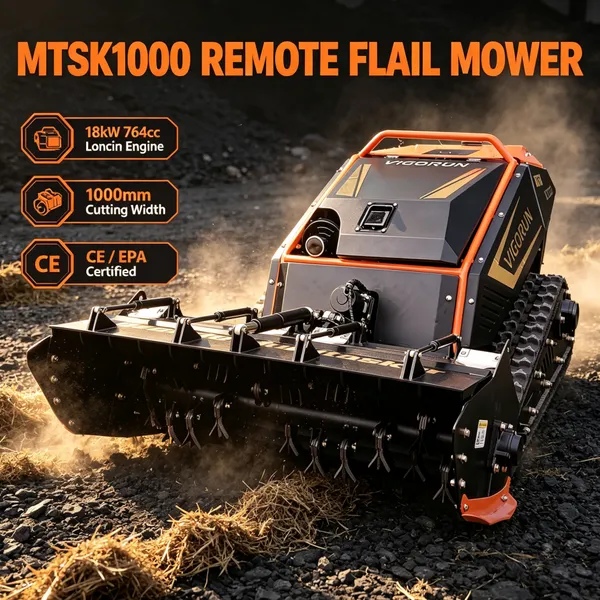 Read More
 -
Remote Controlled Pesticide Sprayer with 600L Tank 8.4m Boom for Agricultural Applications
August 10, 2026*Electric Start & 13kW Loncin Engine for Powerful Agricultural Spraying: Maximize field application efficiency with the SPRY60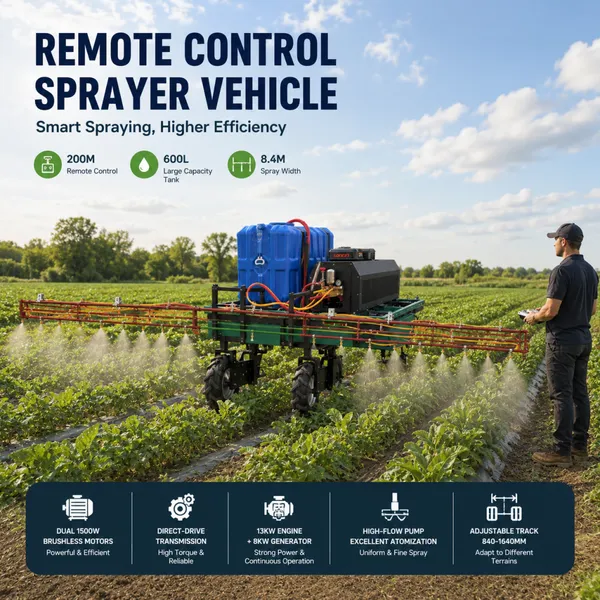 Read More
 -
Self Propelled Agricultural Boom Sprayer with Adjustable Track for Modern Farming
August 10, 2026*Electric Start & 13kW Loncin Engine for Powerful Agricultural Spraying: Maximize field application efficiency with the SPRY60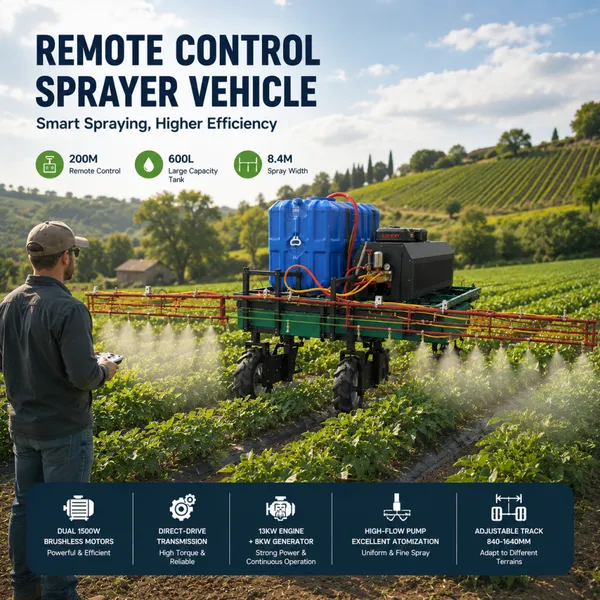 Read More
 -
Automatic Remote Control Agricultural Spray Machine with 600L Chemical Tank and Boom System
August 10, 2026*Electric Start & 13kW Loncin Engine for Powerful Agricultural Spraying: Maximize field application efficiency with the SPRY60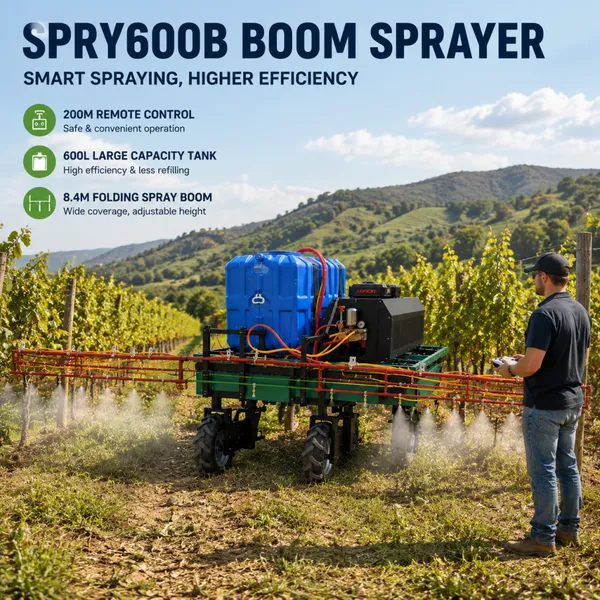 Read More

Contact Us
Recommended Products
-
 Vigorun Lawn Mower Robot, Industrial Dual 48V 1500W Motors MTSK1000 Mulcher Machine for Large LandscapesUS$ 7500.00 - 7700.00MOQ: 1 Set
 -
Farmland Orchards Battery Powered Mower Gasoline Golf Mower Robot Lawn Mower 3000m2 Vigorun Remote Control Grass MowerUS$ 2580 - 2700MOQ: 1 Unit
-
Vigorun MTSK800 Automatic Remote Control Grass Cutting Machine 48V 20Ah Battery Remote Flail MowerUS$ 2800 - 2900MOQ: 1 Set
-
Vigorun MTSK1000 Remote Control Mower 24hp Fail-Safe Slope Braking Remote Control Forest MulcherUS$ 8000 - 8200MOQ: 1 Set
-
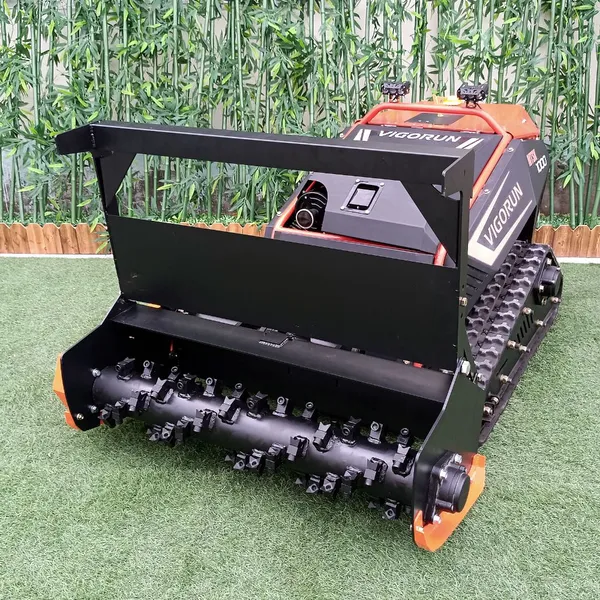
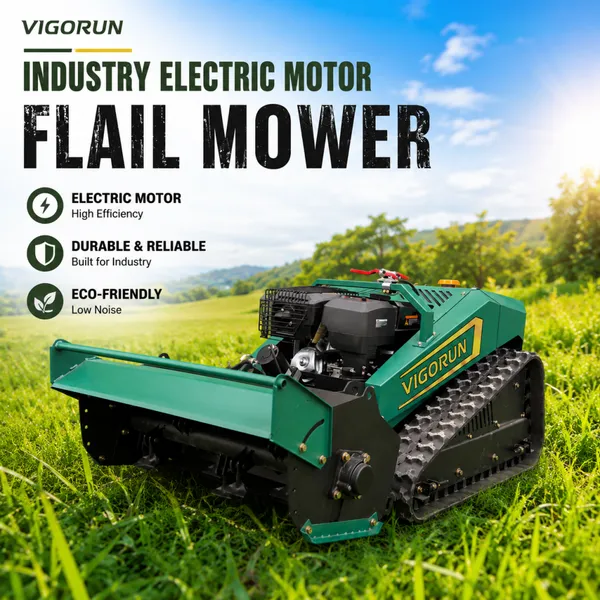
Industry Electric Motor Lawn Mower Flail Mower Atv Gasoline Hedge Trimmer Battery LawnmowerUS$ 2580 - 2900MOQ: 1 Unit
-
Vigorun Agricultural Tractor Sprayer Euro 5/EPA Electric Agricultural Sprayer 600l for VineyardsUS$ 2600 - 2700MOQ: 1 Set
-
Remote Control Tracked Hillside Mower 800mm Cutting Width 60 Degree Slope for Steep Terrain VegetationUS$ 2600 - 2700MOQ: 1 Set
-
Vigorun VTLM600 RC Lawn Mower Robot CE EPA Certified 45° Extreme Slope Mini Crawler Lawn MowerUS$ 1700 - 17900MOQ: 1 Set
-
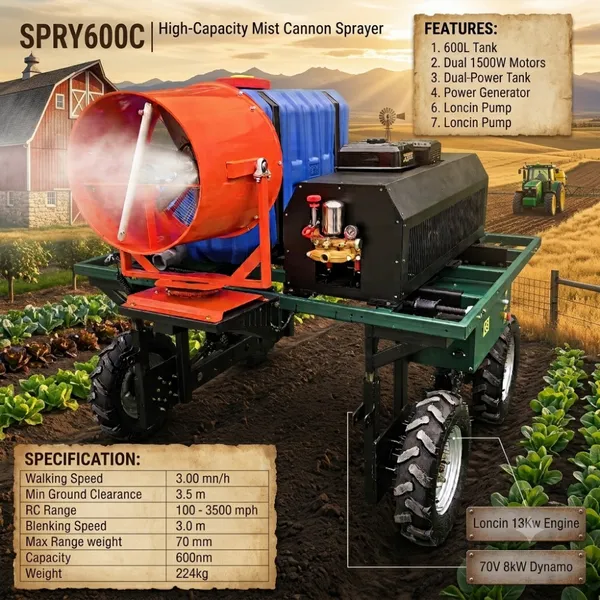
Remote Controlled High Efficiency Fog Cannon Spraying Machine 600L Tank for Agriculture and Dust ControlUS$ 2800 - 2900MOQ: 1 Set
-
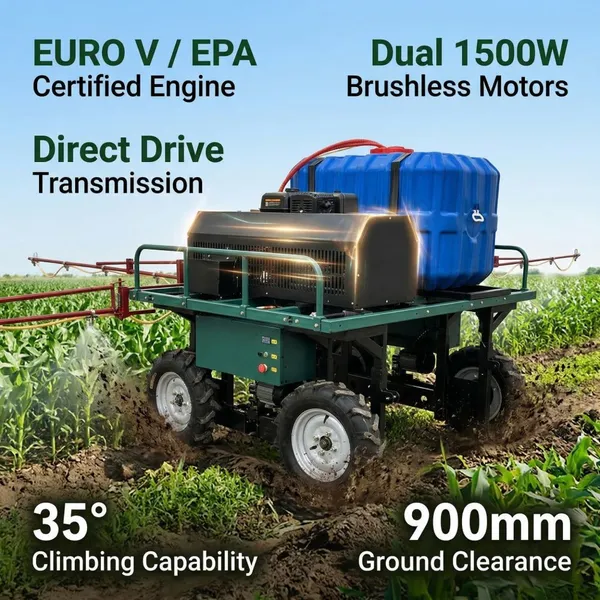
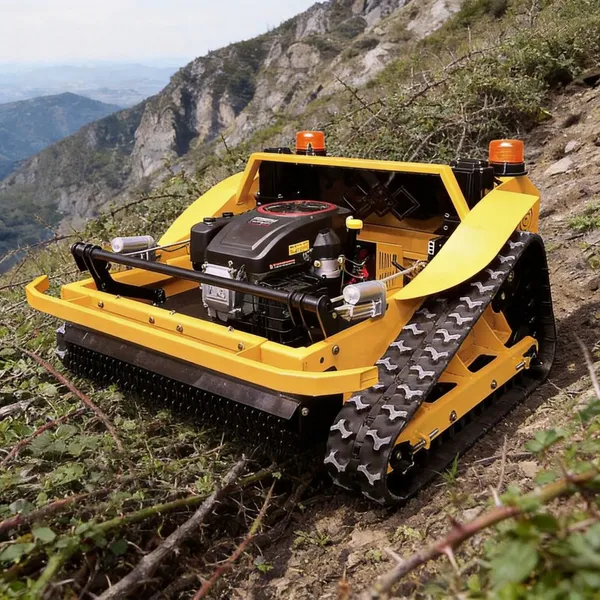
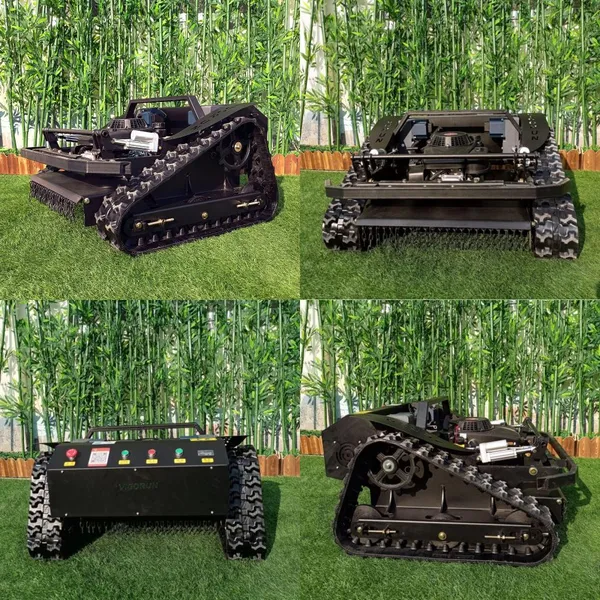
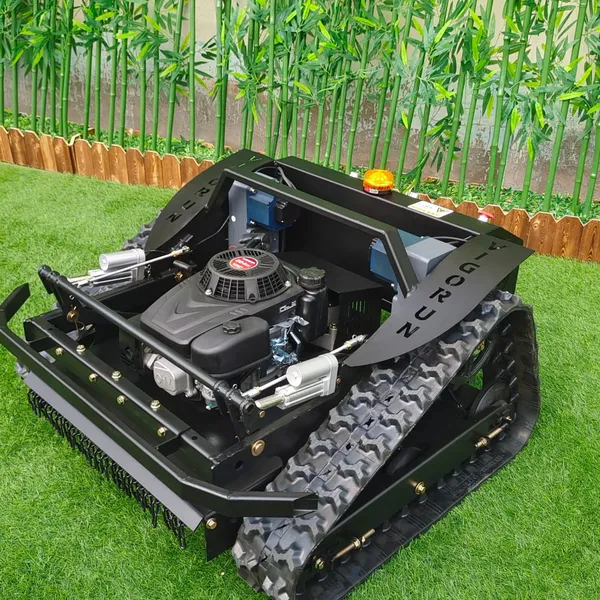
Vigorun Radio Control Mowing Euro 5/EPA Self-Propelled & Precise 6hp Remote Control Crawler MowerUS$ 1700 - 1790MOQ: 1 Set
-
Factory Manufacturer Vigorun MTSK1000 1000MM Commercial Branch Cutter Flail Mower rc Remote Petrol Lawnmower Mower Grass Cutter TractorUS$ 8000 - 8200MOQ: 1 Set
-
Vigorun VTW550 Remote Control Grass Cutter Tractor Robot Gas Lawn Mower Grass Cutter Small Electric Lawn Mower Vigorun Lawn MowerUS$ 1000 - 1250MOQ: 1 Set
-
Vigorun Tech Gasoline Remote Control Lawn Mower Self-Locking Slope Safety RC Mower Tiller for EmbankmentsUS$ 2800.00 - 2900.00MOQ: 1 Set
-
Mower Gasoline Grass Cutter Machine Remote Control 1000mm Cut 35 Degree Slope Flail Hammer for Overgrown LandUS$ 7500 - 7700MOQ: 1 Set
-
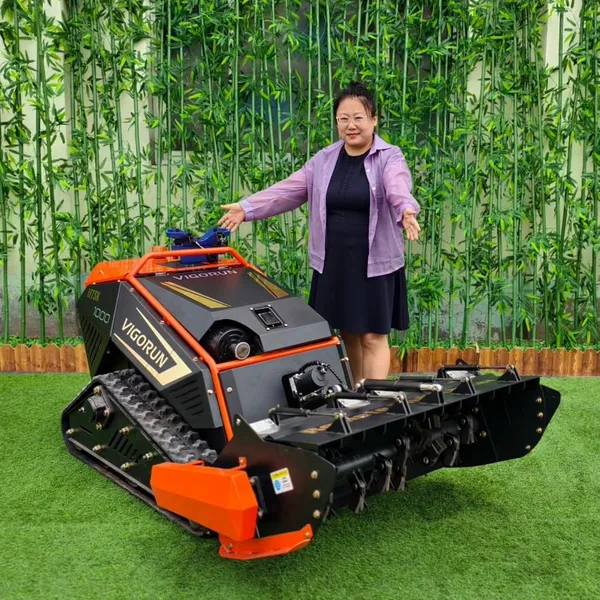
Vigorun VTLM800 Remote Control Electric Mower, Self-Locking Slope Safety Crawler Mower for Steep SlopesUS$ 2600.00 - 2700.00MOQ: 1 Set
-
Shrub and Brush Clearing MTSK800 MTSK1000 Flail Mower rc Remote Weeding Weeder MachineUS$ 2800 - 2900MOQ: 1 Set
-
RC Robot Lawn Mower Electric Remote Control Flail Grass Cutter Garden Cutting Machine MTSK1000US$ 8000 - 8200MOQ: 1 Set
-
Remote Manipulation Rubber Track Brush Cutter Industrial Flail Mower for Efficient Shrub ClearingUS$ 2000.00 - 2790.00MOQ: 1 Set
-
Vigorun MTSK1000 Rc Lawn Mower, Loncin 764CC Gasoline Engine Forestry Mulcher With Remote Control for ForestryUS$ 7500.00 - 7700.00MOQ: 1 Set
-
Vigorun VTC550 Zero Turn Electric Mower Quality Guaranteed Crawler Brush Cutter For Embankments & LeveesUS$ 1600 - 1690MOQ: 1 Set