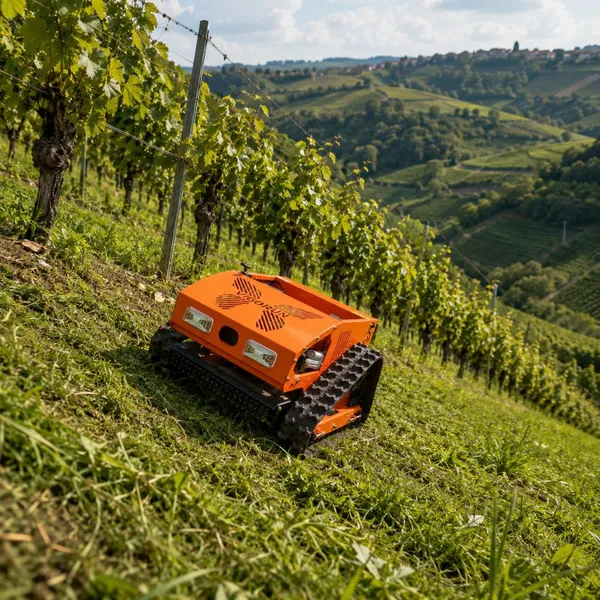

 Business License

Right of Way Mowing Equipment: How Remote-Controlled Machines Clear Utility Corridors Safely
In August 2024, a vegetation management crew in Texas was clearing a 40-mile natural gas pipeline right-of-way when a walk-behind brush cutter kicked back on a hidden stump. The operator suffered a compound fracture and a concussion. The incident shut down the corridor for six hours, triggered a $47,000 OSHA investigation, and cost the contractor its renewal on a three-year utility maintenance agreement.
The terrain was not unusual. Pipeline rights-of-way, rail corridors, and electrical transmission lines cut through some of the most awkward, sloped, and remote land in any service territory. The equipment, however, was decades old. Right of way mowing equipment has long meant either heavy tractor-mounted flail mowers that cannot access tight corridors, or hand crews with brush cutters that place operators directly in harm's way.
This article explains what right of way mowing equipment actually means for utility, rail, and municipal contractors in 2026. You will see why traditional machines fail on modern rights-of-way. You will learn what specs separate real slope capability from marketing claims. And you will see how a tracked remote mower changes the economics of vegetation management. We cover pipeline corridors, rail lines, electrical transmission paths, and roadside rights-of-way, with real numbers on safety, labor, and slope ratings.
Want to see which remote mower fits your ROW contract? Browse the Vigorun remote mower lineup and compare slope ratings for utility terrain.
Why Right-of-Way Mowing Is Harder Than It Looks
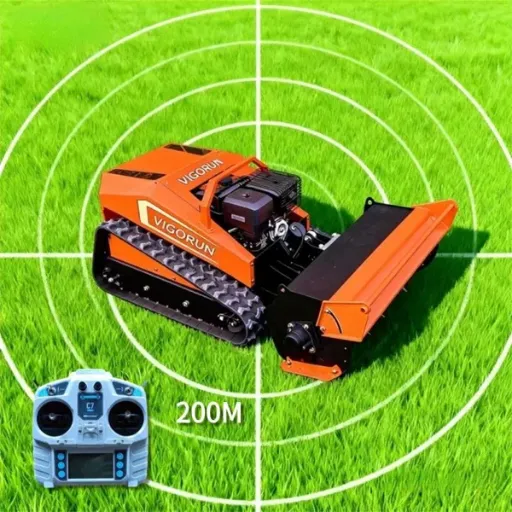
Rights-of-way are not lawns. They are long, narrow corridors, often dozens of miles in length, that cross hills, wetlands, rocky cuts, and drainage channels. A typical electrical transmission right-of-way spans 50 to 100 feet in width. A pipeline corridor may run 25 to 50 feet.
Rail lines present their own geometry. Ballast shoulders, embankments, cuttings, and bridge approaches create terrain that standard equipment struggles to access.
The vegetation is aggressive. Without regular cutting, rights-of-way become dense with grass, brush, saplings, and woody regrowth. Utility companies and regulators generally require clearance to ground level, with tree canopy kept below a specified height. Failure to maintain vegetation leads to fines, service outages, and in extreme cases, wildfires.
The problem is access. Much of this terrain is too steep for ride-on equipment, too soft for heavy tractors, and too remote for daily crew transport. According to the Bureau of Labor Statistics, landscaping and grounds maintenance workers suffer injury rates well above the national average, with slope work, brush cutting, and heat exposure accounting for the majority of incidents.
In 2023, a rail maintenance contractor named Kenji Okonkwo lost a machine operator when a compact tractor rolled on a 28-degree embankment beside a Class I freight line in Louisiana. The tractor had no rollover protection suitable for that angle. The operator, who had 12 years of experience, did not survive. The rail road suspended the contractor for 90 days, and the company’s insurance carrier dropped its policy at renewal.
Kenji now runs a mixed fleet that includes a tracked remote mower for every slope section above 20 degrees. His insurance premium dropped 22 percent, and his crew has not recorded a lost-time incident in 18 months.
What Counts as Right of Way Mowing Equipment?
Right of way mowing equipment covers any machine used to cut grass, brush, or woody vegetation on utility corridors, rail lines, pipeline paths, roadside easements, and transmission clearances. The category includes four main equipment types, each with a specific terrain fit and a specific safety ceiling.
Ride-On Rotary Mowers
Best for: Flat or gently rolling roadside shoulders and wide utility easements
Slope limit: 15 to 20 degrees on dry grass
Risk: Rollover on steeper grades, limited access in narrow corridors, operator exposure
Walk-Behind Brush Cutters
Best for: Ditches, confined spaces, and detail work around poles or valves
Slope limit: 20 to 25 degrees with experienced operator
Risk: Operator fatigue, slow production on long corridors, kickback injuries
Tractor-Mounted Flail Mowers
Best for: Wide, flat rights-of-way with firm ground
Slope limit: 10 to 15 degrees depending on tractor stability
Risk: Large footprint, limited access to tight corridors, high capital cost
Remote-Controlled Slope Mowers
Best for: Steep embankments, pipeline corridors, rail cuttings, and hazardous terrain
Slope limit: Up to 45 degrees on dry grass; 35 degrees recommended on wet or loose terrain
Risk: Requires line-of-sight operation; initial operator training needed
Most utility and rail contractors own at least two of the first three categories. Few have added remote-controlled machines to their fleet, even though remote mowers are the only category purpose-built for the steepest, most remote sections of a right-of-way.
Need help matching equipment to your corridor type? Read our guide on how to choose a slope mower for terrain-specific selection criteria.
Tracked Remote Mowers vs. Traditional ROW Equipment
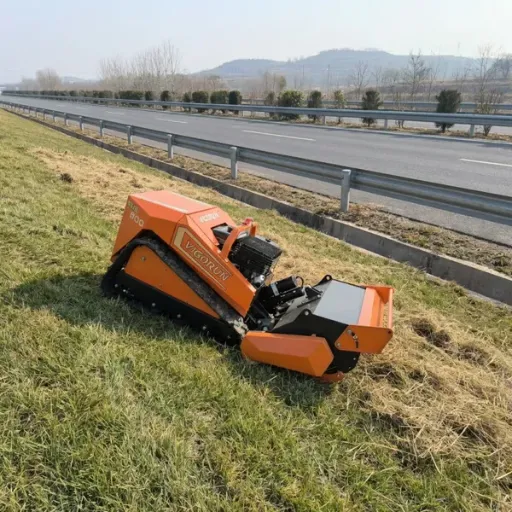
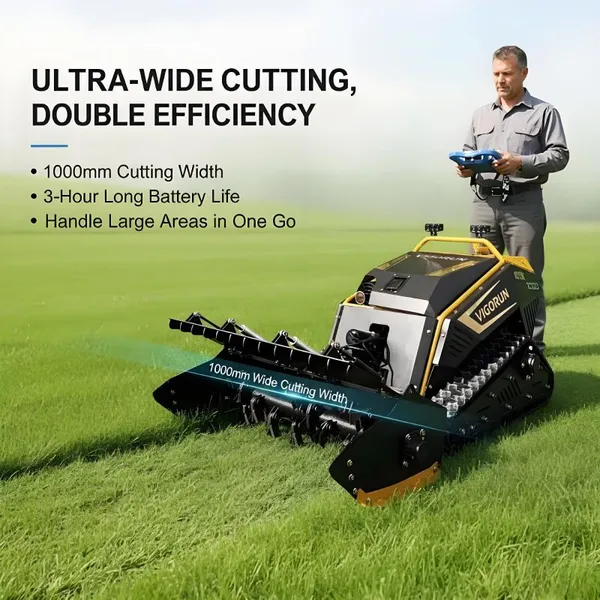
The most important difference in right of way mowing equipment is not cutting width or engine horsepower. It is distance. A tracked remote mower lets a single operator stand up to 200 meters away from the cutting path, completely off the slope and away from hazards like rail traffic, pipeline valves, or electrical towers.
Here is how the categories compare on the terrain that actually defines right-of-way work:
| Factor | Ride-On Mower | Walk-Behind Cutter | Tracked Remote Mower |
|---|---|---|---|
| Max slope (dry) | 15-20 degrees | 20-25 degrees | 45 degrees |
| Operator position | On the machine | On the slope | 200 m away |
| Crew size typical | 2-4 people | 1-2 people | 1 person |
| Rollover risk | High | Medium | Zero (operator off machine) |
| Debris exposure | Direct | Direct | None |
| Daily production (ROW) | 2-3 acres | 1-2 acres | 3-5 acres |
| Access in narrow corridors | Poor | Good | Good |
| Capital cost | 8,000−8,000−25,000 | 3,000−3,000−8,000 | 15,000−15,000−35,000 |
The production advantage is decisive on long corridors. A remote operator does not need rest breaks every 20 minutes. The machine does not slow down on the steepest section of an embankment. And one operator can cover ground that previously required a two-person crew with walk-behind equipment.
For utility vegetation management contractors bidding on multi-mile pipeline or transmission contracts, that production edge translates directly into labor savings. A crew that used to need three people for a corridor job now needs one. Over a 16-month period, the labor cost reduction typically covers the capital investment in the remote unit.
Key Specs to Demand in Right of Way Mowing Equipment
Rights-of-way punish weak equipment. When you spec right of way mowing equipment for steep or remote terrain, five numbers separate real capability from brochure claims.
1. Slope Rating With Proof
Any supplier can print "steep slope capable" on a specification sheet. Demand a degree rating verified on actual test ramps. The Vigorun VTLM800, for example, is rated to 45 degrees on dry, firm grass, with testing conducted on dedicated outdoor slopes at the Weifang facility. If a manufacturer will not name the angle or describe the test protocol, the spec is not real.
2. Track Design for Variable Terrain
Rubber tracks outperform wheels on wet grass, loose soil, ballast, and side slopes. Look for a low center of gravity, wide track footprint, and hydrostatic transmission that maintains torque across the grade. Wheels lose grip on dew-covered pipeline corridors where tracks bite through.
3. Engine Certification for Cross-Border Contracts
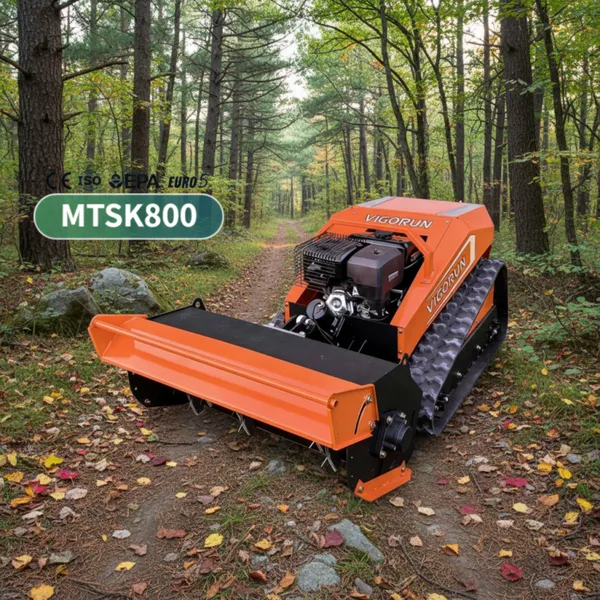
Right of way mowing equipment often serves utility networks that cross state or national borders. Gasoline engines must carry CE certification for European import, EPA compliance for North American resale, and EURO V documentation for customs clearance in regulated markets. Vigorun ships the full documentation package with every container so your broker clears customs without delays.
4. Remote Control Range and Failsafes
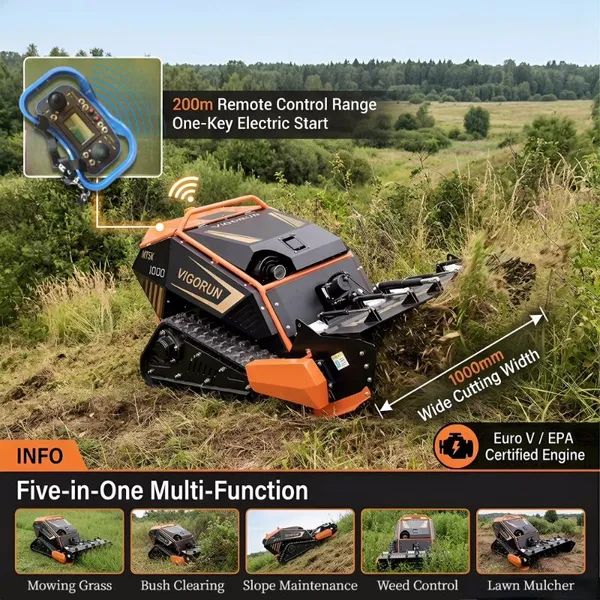
A 200-meter control range covers most right-of-way jobs in line-of-sight. More important than range is the failsafe: if signal drops, the blade stops and the chassis halts automatically. Verify that both the transmitter and the chassis carry a hardware emergency stop, not just a software shutdown.
5. Cutting System Versatility
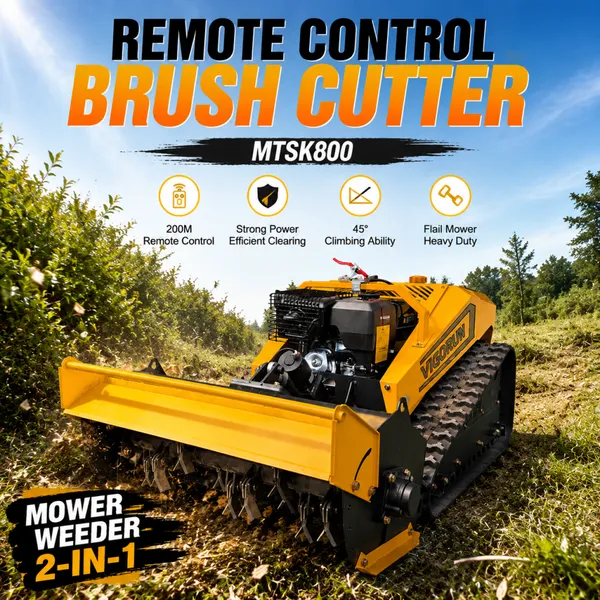
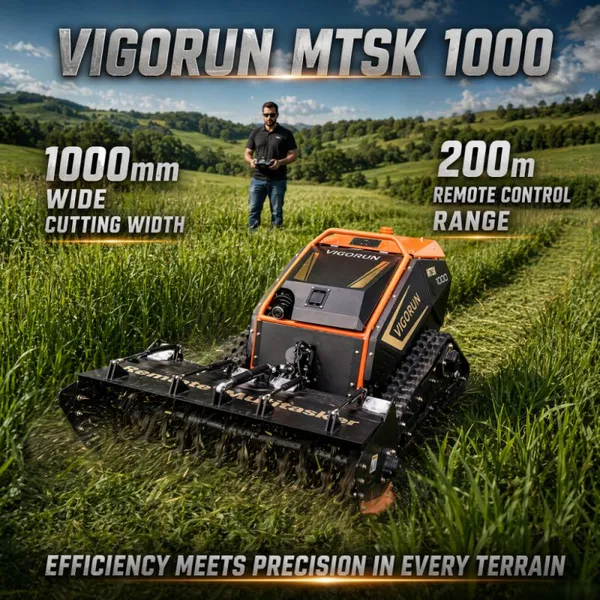
Grass on transmission corridors is different from woody brush on pipeline rights-of-way. A rotary deck handles routine grass cutting. A flail head clears woody brush, saplings, and overgrown vegetation up to 25 millimeters thick. The MTSK1000 remote flail mower runs the same tracked chassis with a flail attachment, giving one platform two jobs.
Real-World Applications: Pipeline, Rail, and Utility Corridors
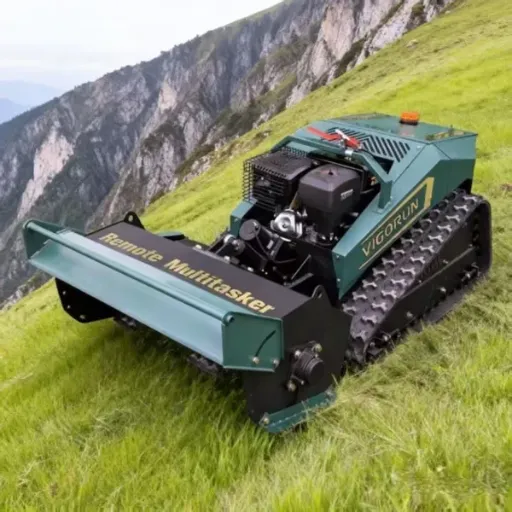
Right of way mowing equipment faces distinct challenges depending on the corridor type. Each application demands a different combination of slope capability, cutting width, and operator safety distance.
Pipeline Rights-of-Way
Pipeline corridors are often graded for drainage, which means constant slope transitions. A typical oil or gas pipeline crosses hills, wetlands, and agricultural land. The right-of-way must be kept clear of tall vegetation to allow aerial inspection and to prevent root interference with the pipe coating. Remote mowers handle the slope transitions without repositioning, and the operator can stand on flat ground or the access road while the machine works the corridor face.
Electrical Transmission Lines
Transmission corridors run through terrain that is rarely flat. Tower pads sit on ridges. Conductors cross valleys. The ground beneath the lines is often rough, rocky, or eroded.
A tracked remote mower climbs over the rough spots that stop wheeled machines. The 200-meter range lets the operator stand clear of the tower base and guy wires.
Rail Corridors
Rail rights-of-way combine ballast shoulders, embankments, cuttings, and bridge approaches. The Federal Railroad Administration requires vegetation control to maintain signal sightlines and prevent track obstruction. A remote mower works the embankment face while the operator stands on the trackside walkway or a parallel access road, well clear of passing trains.
Roadside and Highway Rights-of-Way
Roadside rights-of-way include embankments, medians, drainage channels, and overpass slopes. These are often the steepest and most visible cuts in a municipality. A remote mower keeps the operator off the slope and away from traffic, while handling angles that no ride-on machine can attempt safely.
In 2024, a vegetation management contractor named Sarah Brennan bid a 28-mile electrical transmission corridor in Colorado that included multiple 30-degree slopes above 7,000 feet elevation. Her competitors proposed crews of three with walk-behind brush cutters, estimating 24 work days. Sarah proposed one operator with a tracked remote mower and finished the job in 11 days.
She won the contract, beat her labor estimate by 30 percent, and used the saved margin to underbid two subsequent utility jobs by 12 percent. Her remote mower did not just cut brush; it changed her entire bidding model for right-of-way vegetation management.
The Hidden Costs of Legacy ROW Mowing Methods
The purchase price of right of way mowing equipment is only the starting number. Traditional methods carry hidden costs that compound across a season and can destroy a contract margin.
Labor Multiplication
A three-person hand crew on a steep pipeline corridor costs more than three salaries. Add workers' compensation insurance, safety gear, vehicle transport to remote sites, and supervisory oversight. When you replace that crew with one remote operator, you eliminate two salaries, two sets of personal protective equipment, and the transport vehicle.
Injury and Liability Exposure
OSHA data shows that slope work, brush cutter kickback, and heat exposure account for a disproportionate share of injuries in vegetation management. Every injury triggers a workers' compensation claim, a potential lawsuit, and a safety audit that can suspend contract eligibility. Remote operation removes the operator from the slope, the brush, and the machinery, cutting exposure to near zero.
Equipment Damage
Rollovers and collisions destroy mowers. A single ride-on unit lost down an embankment costs $15,000 to $30,000 to replace, plus environmental cleanup if fuel leaks into a drainage channel. Remote mowers carry anti-rollover geometry, low center of gravity, and lost-signal stops that reduce catastrophic damage.
Contract Eligibility
Utility companies and rail roads increasingly score bids on safety methodology. Contractors who can demonstrate zero-operator-slope practices score higher on safety criteria and win more work. Right of way mowing equipment that keeps the operator off the slope is not just a field tool; it is a competitive advantage in procurement.
How to Choose Right of Way Mowing Equipment for Your Operation
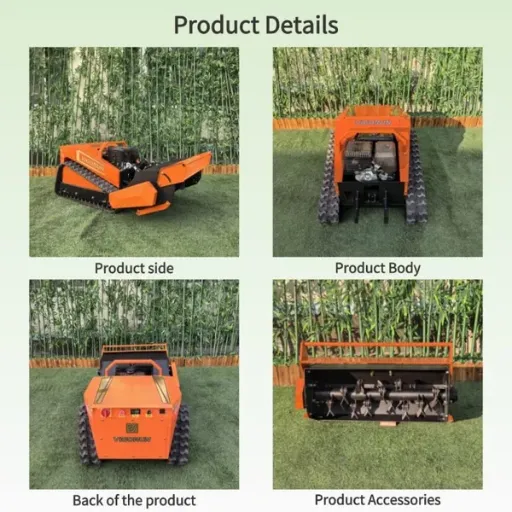
Selecting the right right of way mowing equipment means matching the machine to your worst corridor, not your average corridor. Here is a practical decision framework.
Step 1: Survey Your Steepest Slopes
Walk every pipeline embankment, rail cutting, and transmission corridor your crew maintains. Measure or estimate the slope angle. If anything exceeds 25 degrees, a ride-on or walk-behind machine is a liability, not a solution. That single measurement tells you whether remote control is optional or mandatory.
Step 2: Calculate Your Labor Cost per Mile
Divide your total crew cost by the linear miles you clear per season on steep terrain. If that number exceeds $1,200 per mile, a remote mower pays for itself inside 18 months on labor savings alone.
Step 3: Match the Cutting Head to the Vegetation
Grass-only corridors need a rotary deck. Mixed grass-and-brush rights-of-way need a flail head. If you maintain both, spec a platform with interchangeable attachments rather than buying two dedicated machines.
Step 4: Verify Certification for Your Market
If you sell into or operate in the EU, USA, Canada, or Australia, demand CE, EPA, and EURO V documentation with the quote. Do not wait for customs to hold your container because the engine paperwork is incomplete.
Step 5: Evaluate the Supplier, Not Just the Spec Sheet
Right of way mowing equipment takes abuse on remote corridors. You need a supplier who stocks spare parts, answers technical questions, and ships replacement components by air freight when a track breaks mid-season. Ask about warranty terms, parts availability, and after-sales support before you compare prices.
Vigorun builds every unit in a Weifang facility with a dedicated quality control team and 100 percent indoor and outdoor field testing before shipment. Distributors get OEM color, logo, and packaging options starting at 5 units, with whole-life parts support on every machine sold.
Conclusion
Right of way mowing equipment is evolving from bigger tractors and larger crews to smarter distance and proven slope capability. The contractors who win utility and rail contracts in 2026 and beyond will not be the ones with the most laborers. They will be the ones who keep their operators off the slope, out of the brush, and away from the machinery.
A tracked remote mower with a 200-meter wireless range, 45-degree slope rating, and CE and EPA-certified engine transforms right-of-way vegetation management from a dangerous, labor-heavy operation into a one-person, production-efficient job. The safety benefits are immediate. The cost benefits show up in the first season. And the bidding advantage compounds across every corridor contract you pursue.
If your current right of way mowing equipment cannot handle your steepest pipeline embankment or rail cutting without putting an operator at risk, it is not equipment. It is a liability.
Ready to spec right of way mowing equipment that climbs 45-degree slopes while your operator stands safely on flat ground? Request a quote for FOB Shandong pricing, or ask about OEM branding for your distributor catalog. We will send spec sheets, container-loading diagrams, and certification documentation within 24 hours
Recently Posted
-
Steep Slope 600mm Tracked 200m Remote Control 45 Degree Brushless Electric Lawn Mower
August 10, 2026*Integrated Drive System with 73 Percent Efficiency: The VTLM600 remote control lawn mower features a fully integrated brushless m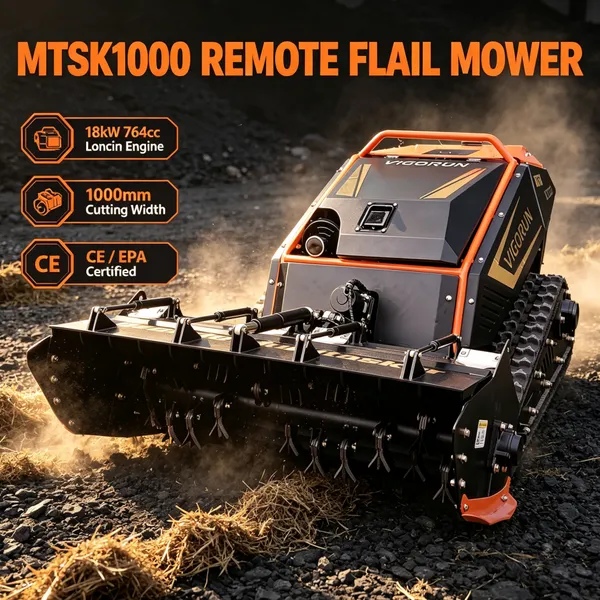 Read More
 -
Remote Controlled Pesticide Sprayer with 600L Tank 8.4m Boom for Agricultural Applications
August 10, 2026*Electric Start & 13kW Loncin Engine for Powerful Agricultural Spraying: Maximize field application efficiency with the SPRY60 Read More
 -
Self Propelled Agricultural Boom Sprayer with Adjustable Track for Modern Farming
August 10, 2026*Electric Start & 13kW Loncin Engine for Powerful Agricultural Spraying: Maximize field application efficiency with the SPRY60 Read More
 -
Automatic Remote Control Agricultural Spray Machine with 600L Chemical Tank and Boom System
August 10, 2026*Electric Start & 13kW Loncin Engine for Powerful Agricultural Spraying: Maximize field application efficiency with the SPRY60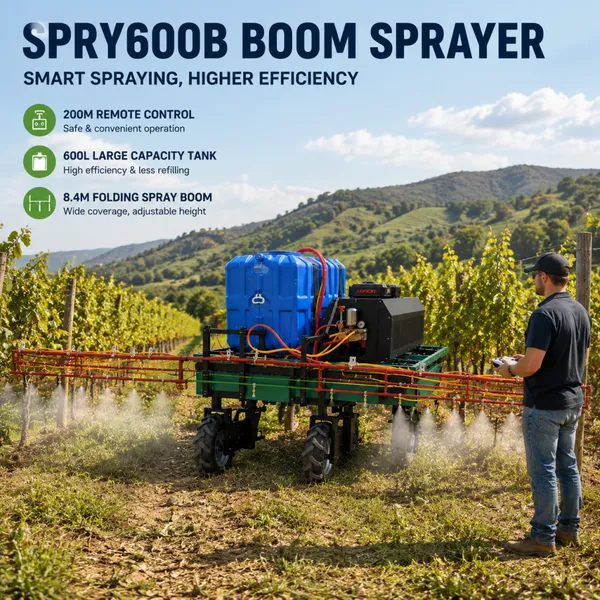 Read More

Contact Us
Recommended Products
-
 Vigorun Lawn Mower Robot, Industrial Dual 48V 1500W Motors MTSK1000 Mulcher Machine for Large LandscapesUS$ 7500.00 - 7700.00MOQ: 1 Set
 -
Farmland Orchards Battery Powered Mower Gasoline Golf Mower Robot Lawn Mower 3000m2 Vigorun Remote Control Grass MowerUS$ 2580 - 2700MOQ: 1 Unit
-
Vigorun MTSK800 Automatic Remote Control Grass Cutting Machine 48V 20Ah Battery Remote Flail MowerUS$ 2800 - 2900MOQ: 1 Set
-
Vigorun MTSK1000 Remote Control Mower 24hp Fail-Safe Slope Braking Remote Control Forest MulcherUS$ 8000 - 8200MOQ: 1 Set
-
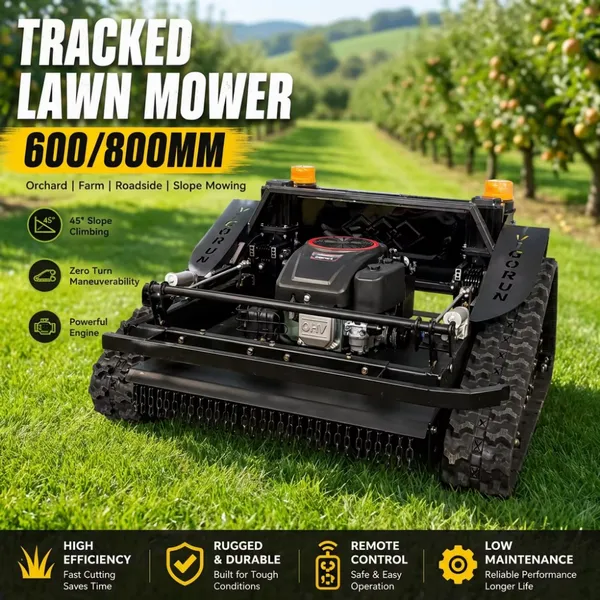
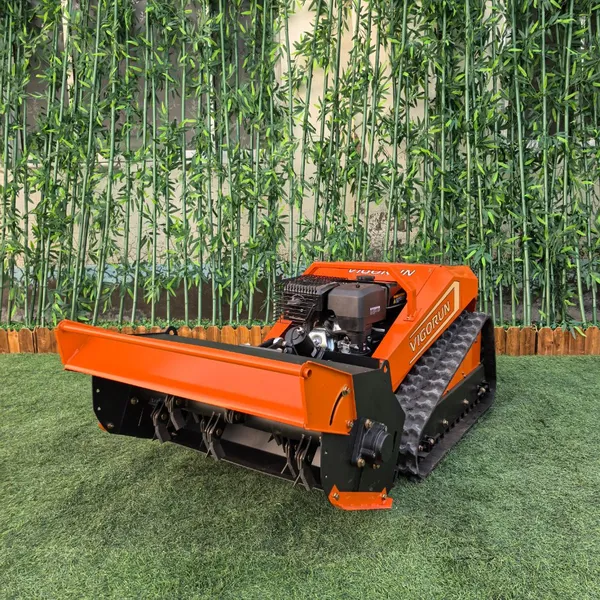
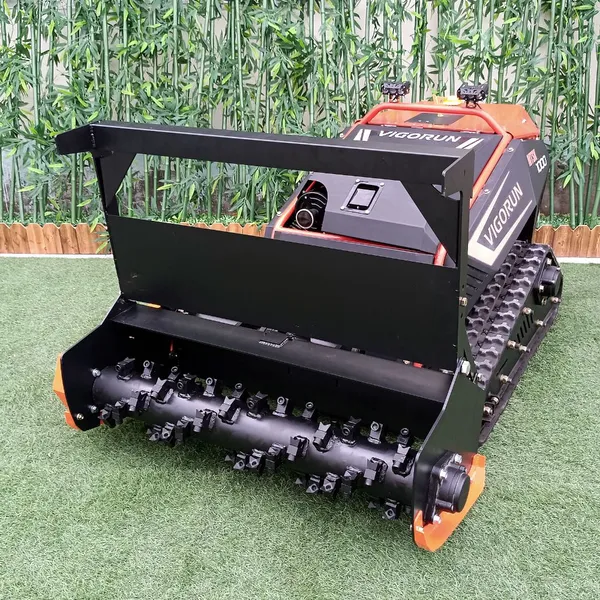
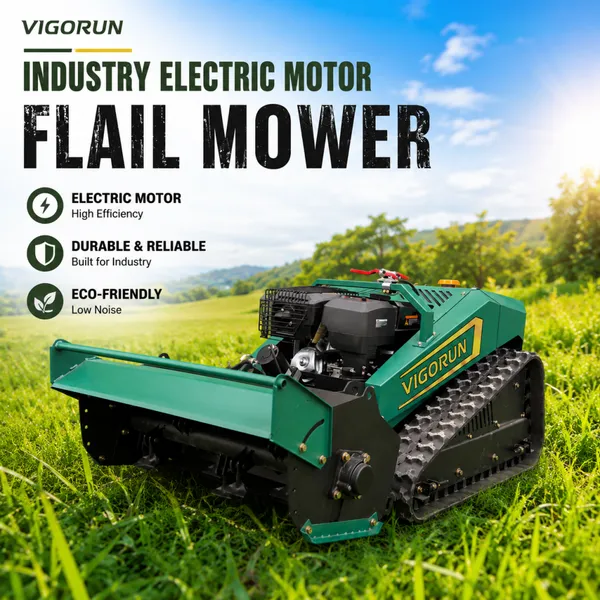
Industry Electric Motor Lawn Mower Flail Mower Atv Gasoline Hedge Trimmer Battery LawnmowerUS$ 2580 - 2900MOQ: 1 Unit
-
Vigorun Agricultural Tractor Sprayer Euro 5/EPA Electric Agricultural Sprayer 600l for VineyardsUS$ 2600 - 2700MOQ: 1 Set
-
Remote Control Tracked Hillside Mower 800mm Cutting Width 60 Degree Slope for Steep Terrain VegetationUS$ 2600 - 2700MOQ: 1 Set
-
Vigorun VTLM600 RC Lawn Mower Robot CE EPA Certified 45° Extreme Slope Mini Crawler Lawn MowerUS$ 1700 - 17900MOQ: 1 Set
-
Remote Controlled High Efficiency Fog Cannon Spraying Machine 600L Tank for Agriculture and Dust ControlUS$ 2800 - 2900MOQ: 1 Set
-
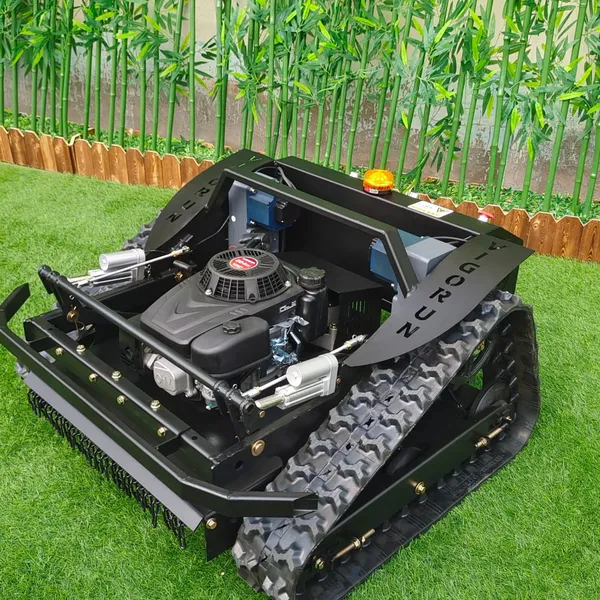
Vigorun Radio Control Mowing Euro 5/EPA Self-Propelled & Precise 6hp Remote Control Crawler MowerUS$ 1700 - 1790MOQ: 1 Set
-
Factory Manufacturer Vigorun MTSK1000 1000MM Commercial Branch Cutter Flail Mower rc Remote Petrol Lawnmower Mower Grass Cutter TractorUS$ 8000 - 8200MOQ: 1 Set
-
Vigorun VTW550 Remote Control Grass Cutter Tractor Robot Gas Lawn Mower Grass Cutter Small Electric Lawn Mower Vigorun Lawn MowerUS$ 1000 - 1250MOQ: 1 Set
-
Vigorun Tech Gasoline Remote Control Lawn Mower Self-Locking Slope Safety RC Mower Tiller for EmbankmentsUS$ 2800.00 - 2900.00MOQ: 1 Set
-
Mower Gasoline Grass Cutter Machine Remote Control 1000mm Cut 35 Degree Slope Flail Hammer for Overgrown LandUS$ 7500 - 7700MOQ: 1 Set
-
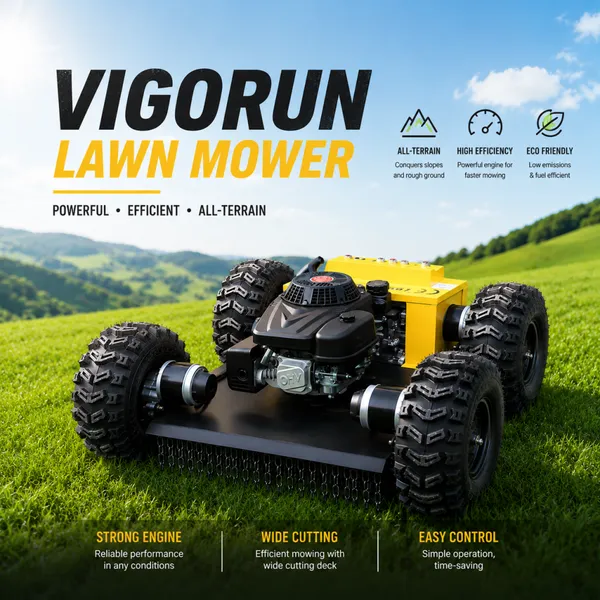
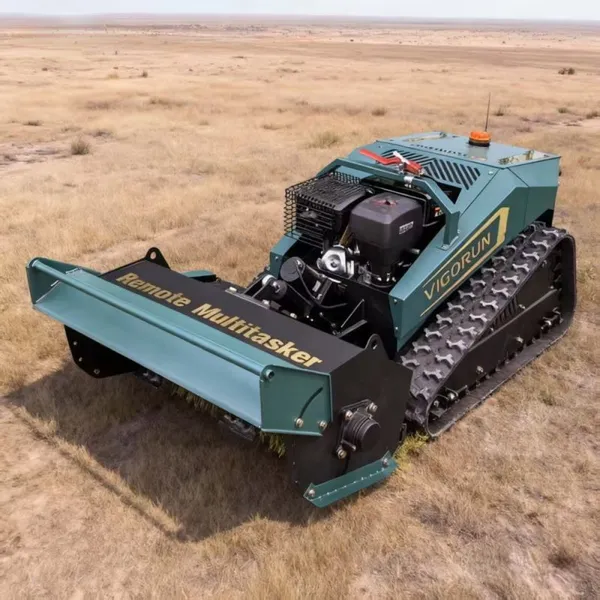
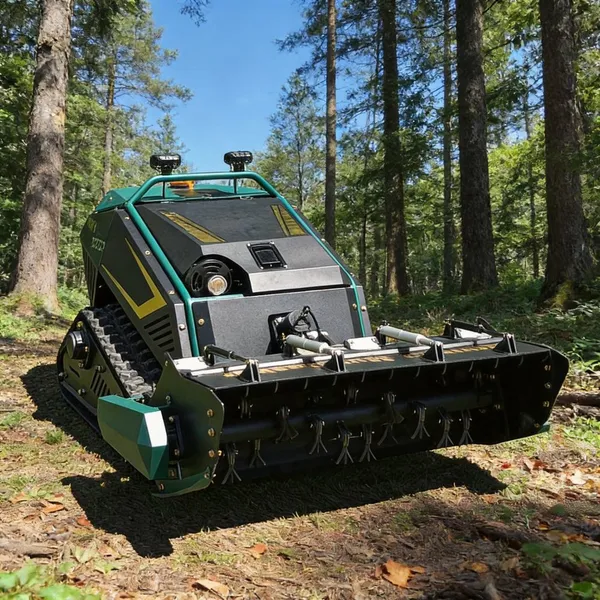
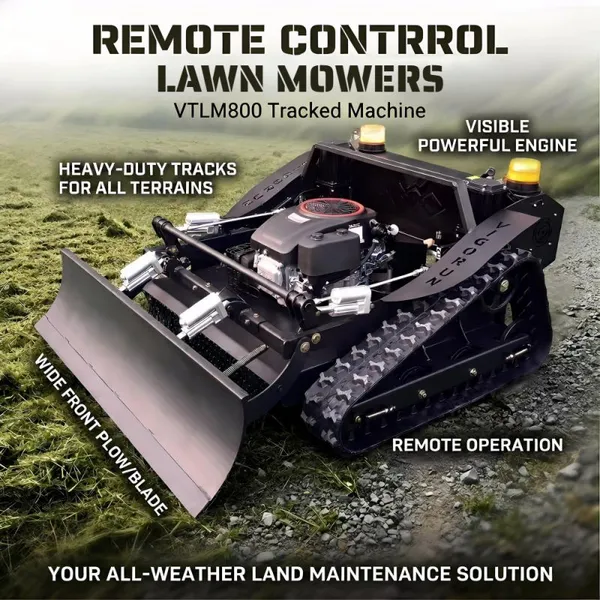
Vigorun VTLM800 Remote Control Electric Mower, Self-Locking Slope Safety Crawler Mower for Steep SlopesUS$ 2600.00 - 2700.00MOQ: 1 Set

-
Shrub and Brush Clearing MTSK800 MTSK1000 Flail Mower rc Remote Weeding Weeder MachineUS$ 2800 - 2900MOQ: 1 Set
-
RC Robot Lawn Mower Electric Remote Control Flail Grass Cutter Garden Cutting Machine MTSK1000US$ 8000 - 8200MOQ: 1 Set
-
Remote Manipulation Rubber Track Brush Cutter Industrial Flail Mower for Efficient Shrub ClearingUS$ 2000.00 - 2790.00MOQ: 1 Set
-
Vigorun MTSK1000 Rc Lawn Mower, Loncin 764CC Gasoline Engine Forestry Mulcher With Remote Control for ForestryUS$ 7500.00 - 7700.00MOQ: 1 Set
-
Vigorun VTC550 Zero Turn Electric Mower Quality Guaranteed Crawler Brush Cutter For Embankments & LeveesUS$ 1600 - 1690MOQ: 1 Set