
 Business License

Best Lawn Mower for Steep Hills: A 2026 Buyer's Guide for Safe Slope Mowing
Marcus Chen's landscaping crew in Brisbane had mowed the same estate lawn for three years without incident. Then, in November 2024, a zero-turn mower lost traction on a damp 30° embankment and slid 12 meters into a drainage ditch. The operator walked away with bruises. The machine didn't — $14,000 in damage, a three-week repair, and a client who questioned whether Chen's crew was insured for slope work at all.
If you're reading this, you already know the problem. The best lawn mower for steep hills is not a ride-on with a bigger engine or wider deck. It's a machine that keeps the operator off the slope entirely while delivering a clean, consistent cut on angles no seated mower can safely attempt.
This guide compares what actually matters when you choose a slope mower: real slope ratings in degrees, not marketing language; tracked chassis geometry that holds line on wet grass; and the certifications your customs broker needs to clear the container. We'll walk through the Vigorun lineup — built and tested in our Weifang, Shandong facility — so you can match the right machine to your hills, your application, and your budget.
Want to see the full range before you read on? Browse our remote control lawn mower lineup and compare specs side by side.
Why Steep Hills Break Conventional Mowers (and Operators)
Conventional ride-on mowers are engineered for flat ground. Most manufacturers set a hard limit around 15° for seated operation, and even that assumes dry turf, slow speed, and an operator who knows how to weight the uphill wheels. On wet grass, that safe number drops closer to 10°.
The physics are simple but unforgiving. A seated operator sits 1.2 to 1.5 meters above the ground, which creates a high center of gravity. On a side slope, that mass wants to roll downhill. On an uphill climb, the front wheels lift under throttle. Add a damp surface, and traction disappears before the operator can react.
According to the U.S. Occupational Safety and Health Administration, mower rollovers and slope-related incidents remain a leading cause of serious injury in commercial landscaping and grounds maintenance. The injuries are not minor — crush trauma from a 400 kg machine tipping onto the operator, or lacerations from thrown debris on unprotected slopes.
Push mowers and string-trimmer crews aren't a safe alternative either. They just trade one risk for another: heat exhaustion on long embankments, lost footing on wet clay, and the slow, expensive labor of a four-person crew doing work one machine could handle in a quarter of the time.
The honest conclusion: if your job site includes slopes above 20°, a conventional mower is the wrong tool. The right tool is a remote-controlled slope mower with a tracked chassis, a low center of gravity, and a wireless range that keeps the operator safely away from the danger zone.
What Makes a Remote Control Lawn Mower the Best Choice for Steep Hills
A remote control lawn mower built for steep hills is not a hobby-grade RC car with a blade bolted on. It's a commercial machine with three engineering features that separate it from every other mowing platform on the market.
Tracked chassis with low center of gravity
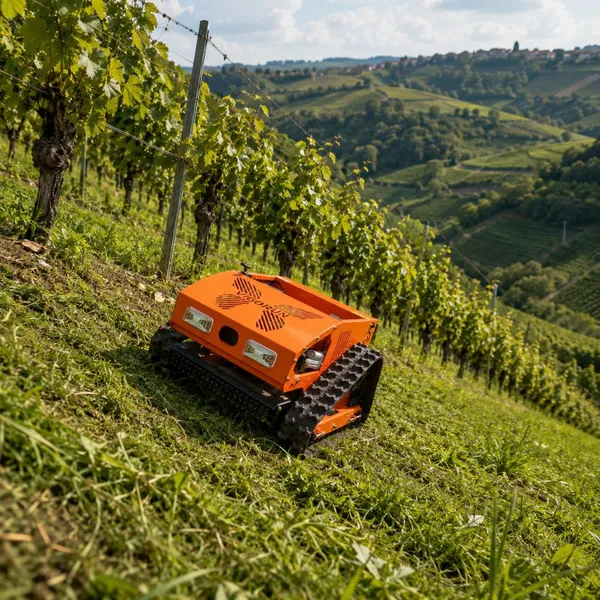
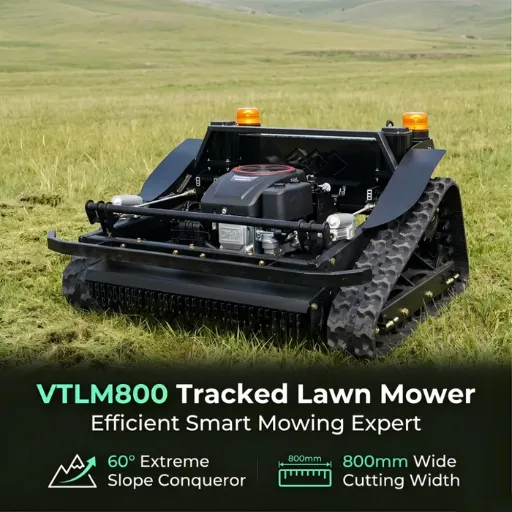
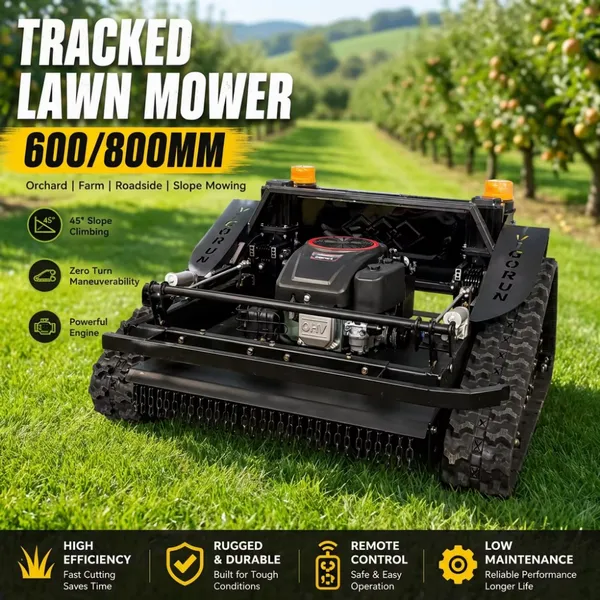
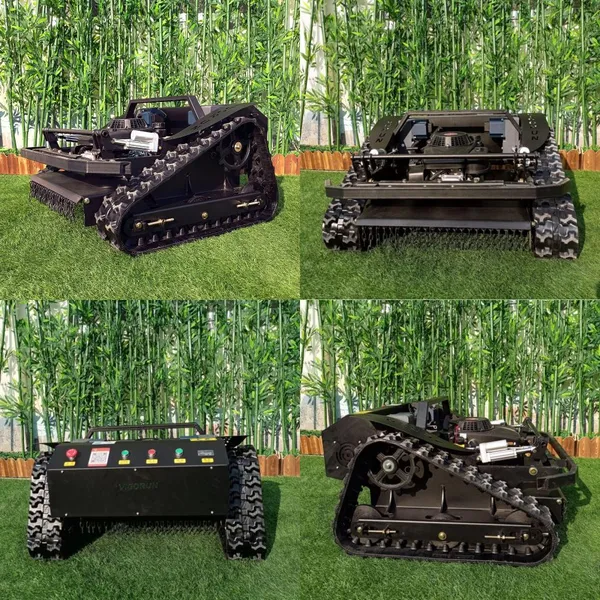
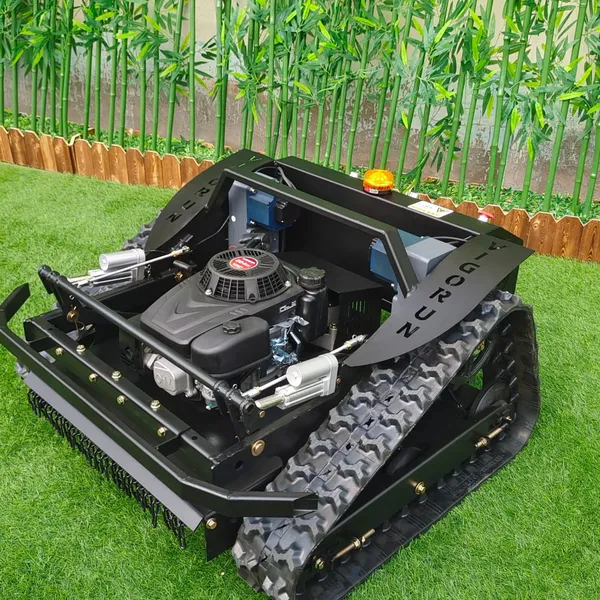
Rubber tracks distribute the machine's weight over a larger footprint than wheels, which reduces ground pressure and prevents the machine from sinking into soft or wet soil. The low-slung engine bay keeps the center of gravity close to the ground — typically under 400 mm — so the chassis resists tipping even on a 45° side slope. The Vigorun VTLM800 uses a rubber track 200 mm wide by 1,200 mm long, with an aggressive lug profile designed for moist clay and uneven embankments.
200-meter wireless control
The operator stands at a safe distance — up to 200 meters (656 feet) away in line-of-sight conditions — and controls speed, direction, and blade engagement via an industrial 2.4 GHz radio transmitter. There's no rollover risk, no flying debris, no heat exhaustion, and no noise exposure. If signal is lost, the mower's failsafe stops both blade and motion automatically.
Slope-rated engine and lubrication system
Standard gasoline engines use a flat sump that starves for oil on steep angles. Slope-rated remote mowers use modified sump geometry and baffled oil pickups that maintain lubrication pressure at 40° to 45° sustained climb. Every Vigorun gasoline engine is EURO V and EPA certified, with full documentation shipped for customs clearance.
These three features together are why a remote-controlled slope mower is the best lawn mower for steep hills — not because it cuts faster, but because it cuts where no other machine can go safely.
How Steep a Slope Can a Remote-Controlled Mower Actually Handle?
This is the question every buyer asks first, and it's the number every manufacturer wants to inflate. The difference between a real slope rating and a marketing number can cost you a machine, a contract, or an operator.
A genuine slope rating measures four things simultaneously:
Traction — the tracks hold grip without sliding under full blade load
Stability — the chassis won't tip sideways or flip end-over-end during a turn
Lubrication — the engine receives continuous oil pressure at angle
Cutting integrity — the deck stays level enough to cut cleanly, not scalp or gouge
The rating assumes dry, firm grass and a competent operator in a safe position. Wet grass, loose soil, or tall woody growth can reduce real-world capability by 5° to 10°.
Vigorun publishes sustained ratings, not peak marketing numbers. Here's what each model handles:
| Model | Max Slope | Drive | Best Application |
|---|---|---|---|
| VTLM800 | 45° | Rubber track | Levee, riverbank, dam face, steep embankment |
| MTSK800 | 40° | Rubber track | Solar farm, orchard, estate, brush clearance |
| MTSK1000 | 40° | Rubber track | Heavy brush, commercial maintenance, vineyard |
The VTLM800 carries the steepest rating because its chassis was designed specifically for slope work. The MTSK series trades 5° of slope capability for platform versatility — the same chassis accepts a flail head, hammer mulcher, or snow plow attachment, which matters for fleets that need year-round utilization.
Before you spec a machine for your hills, ask the supplier one question: is that rating sustained across a full mowing pattern, or is it a single approach on a dry test ramp? The two answers are very different.
Vigorun Slope Mowers Compared: Which Model Fits Your Hills?
Choosing the best lawn mower for steep hills means matching the machine to your terrain, your vegetation, and your fleet strategy. Here's how the three Vigorun slope models stack up for real-world buyers.
VTLM800 — The Steep-Slope Specialist
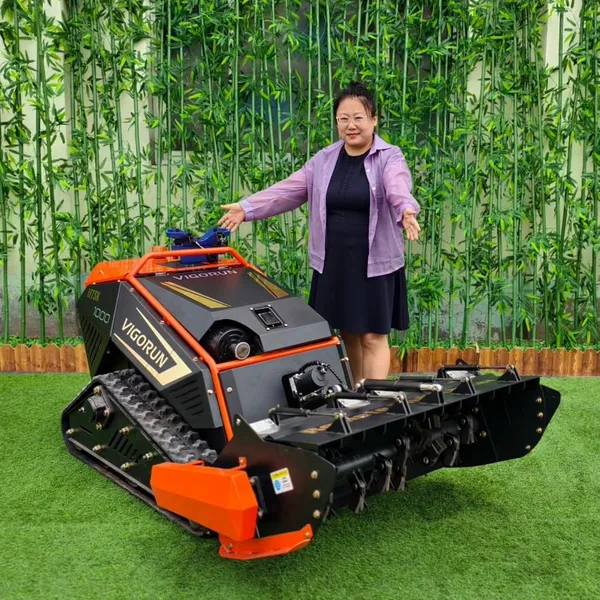
The VTLM800 rubber track slope mower is built for the steepest, slipperiest terrain: levees, riverbanks, retention ponds, and dam maintenance. Its 45° sustained rating comes from a purpose-designed chassis with the lowest center of gravity in the lineup. The rubber-track stance and slope-rated sump engine were engineered for moist clay and uneven embankments where lighter machines start drifting at 38°.
MTSK800 — The Versatile Mid-Range Flail Mower
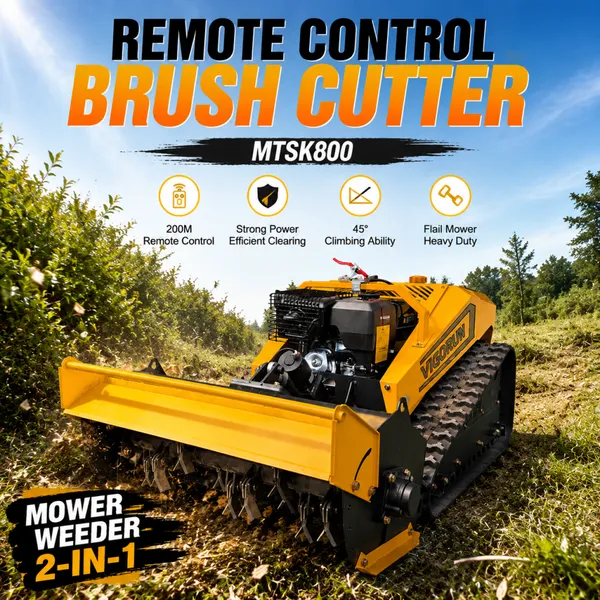
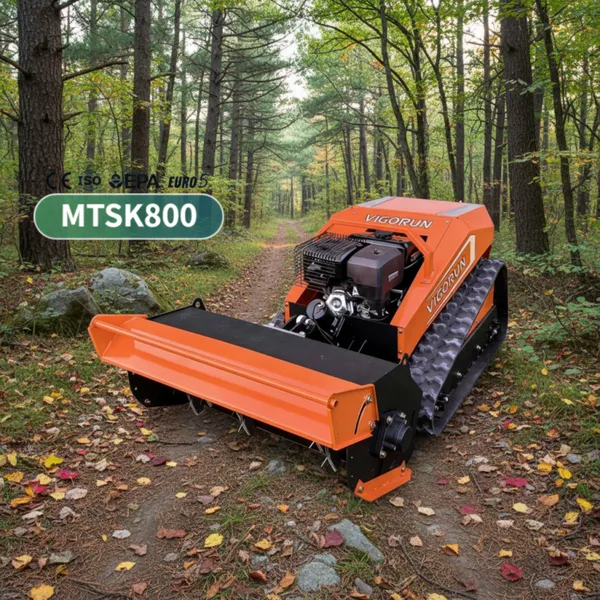
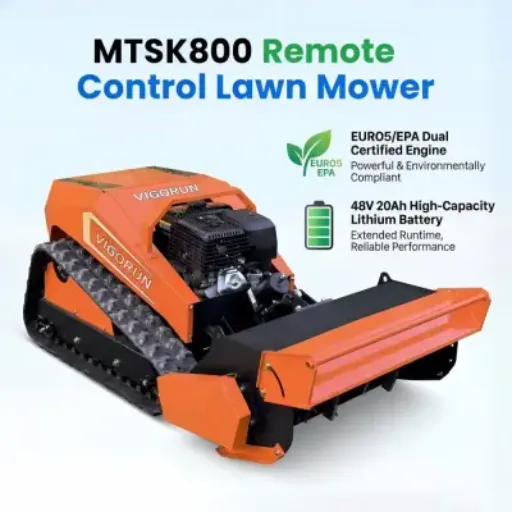
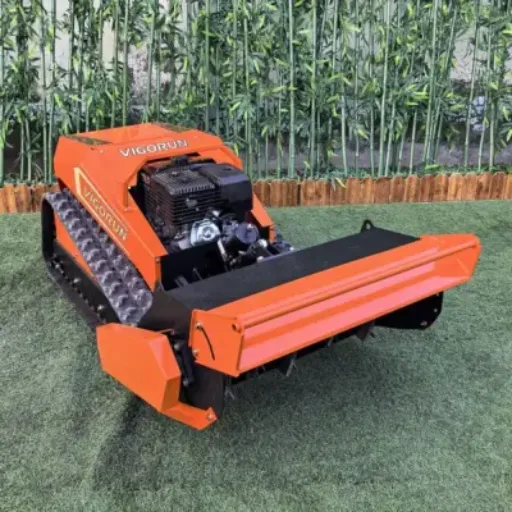
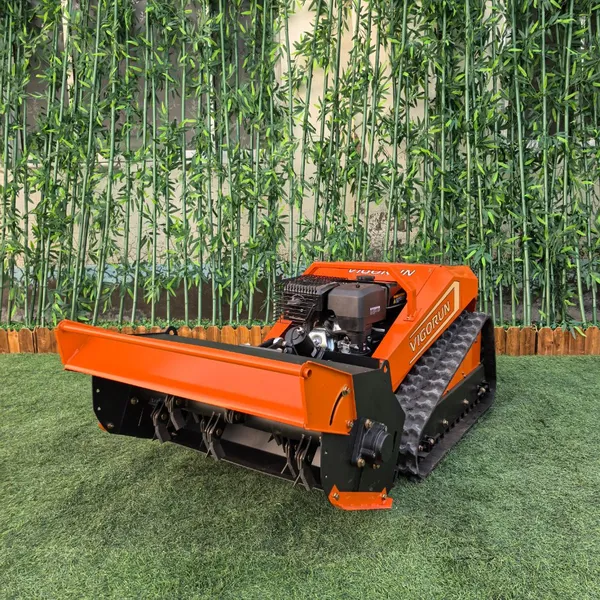
The MTSK800 remote-controlled flail mower recently entered patent application in April 2026. It climbs 40° slopes and handles brush, saplings, and overgrown vegetation up to 25 mm thick with its flail head. The multi-attachment platform lets the same chassis run a rotary deck in summer and a snow plow in winter — better total cost of ownership for municipal fleets that need year-round utilization.
MTSK1000 — The Heavy-Duty Flagship
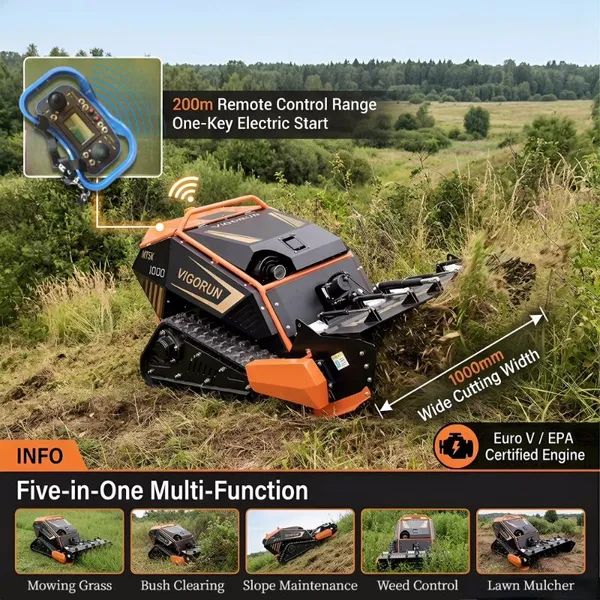
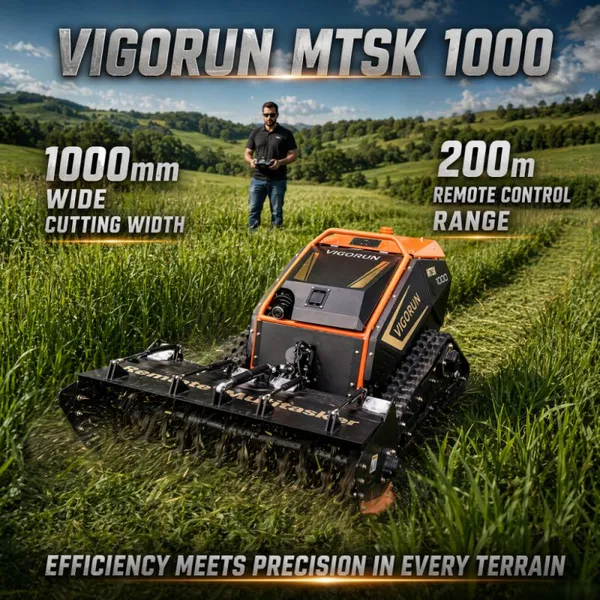
The MTSK1000 remote control flail mower is the largest machine in the slope lineup, with a wider cutting path and more engine displacement for dense brush and commercial contracts. It matches the MTSK800's 40° slope rating but cuts heavier material faster, making it the right choice for vegetation-management contractors who clear right-of-way and solar-farm perimeters.
All three models share the same core DNA: 200-meter wireless control, EURO V / EPA-certified gasoline engines, 100% indoor and outdoor field testing before shipment, and a 1-year warranty plus lifetime parts support from our Weifang factory.
Five Hill-Mowing Jobs and the Right Machine for Each
Not every steep hill is the same. The slope angle, surface type, vegetation density, and access constraints all change which machine is the best fit.
1. Highway and roadside embankments (15-35°)
Most highway maintenance work falls in this range. Any Vigorun model handles it, but the MTSK800 is often the better fleet choice because the multi-attachment platform lets the same chassis run a rotary mower in spring, a flail head for summer overgrowth, and a snow plow in winter. One chassis replaces three seasonal machines.
2. Levees and flood-control embankments (30-45°)
This is where the VTLM800 earns its place. Wet grass, soft soil, and consistently steep faces are the toughest combination in slope mowing. The rubber-track stance, aggressive lug profile, and slope-rated sump engine were designed for this exact application.
3. Solar farm vegetation management (10-30°)
Solar arrays sit on gentle slopes, but the safety case is different. Workers should not operate push mowers near energized panels and inverters. The MTSK800 with a flail head clears between-array rows safely from a 200-meter operator position, with no risk of thrown debris damaging panel glass.
4. Orchard and vineyard terraces (20-40°)
Orchard and vineyard terraces are usually 20-35° with occasional steeper faces on hillside plantings. The MTSK1000 with a flail head handles dense weed and groundcover under fruit trees and grape vines, including the woody growth that chokes a rotary mower. The narrow track width fits between standard tree rows.
5. Estate, golf, and private acreage (15-40°)
For estates with rolling terrain — steep faces around ponds, drainage channels, and natural features — the VTLM800 is the safe answer. The 45° rating means no groundskeeper ever has to walk a hand crew across a wet hillside again.
Elena Rios, a municipal procurement officer in Santiago, Chile, replaced a four-person hand-crew with one VTLM800 in March 2025. The crew had spent six hours every two weeks clearing a 38° levee face with brush cutters and rakes. The VTLM800 does the same job in 90 minutes with one operator standing on the road above. By August, the municipality had recouped enough labor savings to order a second unit for the adjacent district.
What to Look for When Buying the Best Slope Mower
When you're comparing remote mowers for steep hills, the spec sheet tells only part of the story. Here are five questions that separate a professional machine from a hobby chassis with marketing claims.
1. Is the slope rating sustained or peak?
Peak ratings are for promotional videos. Sustained ratings are for real work. Ask the manufacturer to define the test protocol: surface type, moisture condition, vegetation load, and duration. Vigorun tests every unit on dry and damp ramps at multiple angles before shipment.
2. What's the track geometry?
Track width, track length, and center-of-gravity height are the numbers that determine whether a machine holds line or slides. Wider stance relative to CG height means more side-slope stability. Longer tracks reduce ground pressure on soft soil. Ask for these dimensions in millimeters — not vague claims about "heavy-duty" construction.
3. Which engine certifications does it carry?
CE, EURO V, and EPA compliance are non-negotiable for resale into regulated markets. Ask for the Declaration of Conformity and the engine emission tier. A legitimate manufacturer emails these documents within 24 hours. A trading company says "we can get those after you order."
4. How is the machine tested before shipment?
Spot-check QC catches some defects. It doesn't catch all of them. Vigorun runs 100% indoor bench testing plus outdoor field testing on every unit. That means engine run-in, hydraulic pressure verification, radio range confirmation, and live-slope performance before the crate is sealed.
5. What's the parts and warranty policy?
Slope work is hard on tracks, undercarriage components, and blades. A slope mower without parts is dead weight on a fleet. Look for a 1-year warranty minimum and a written commitment to lifetime parts availability.
Ready to stop sending operators onto dangerous slopes? Request a dealer quote — FOB Shandong pricing within 24 hours, with full CE / EURO V / EPA documentation included.
The Real Cost of Getting Slope Mowing Wrong
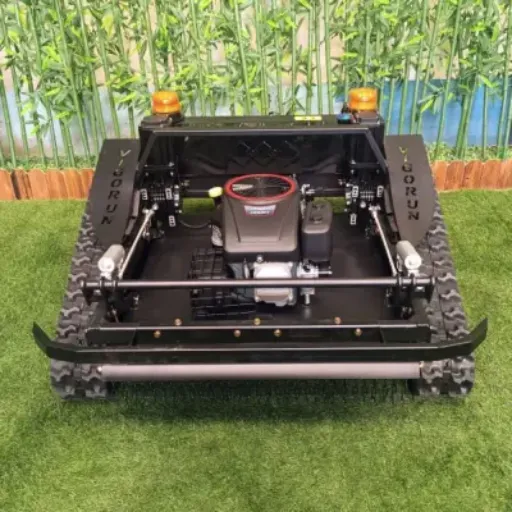
Buying the wrong machine for steep hills doesn't just mean a poor cut. It means operator injury, equipment damage, contract penalties, and insurance premiums that climb year after year.
A single rollover incident on a commercial slope-mowing job can trigger:
Workers' compensation claims averaging 40,000to40,000to80,000 for crush or laceration injuries
Equipment replacement or repair costs of 10,000to10,000to20,000
Contract delay penalties from municipal or commercial clients
Increased insurance premiums that persist for three to five years
Reputational damage that costs future bids
By contrast, a remote-controlled slope mower removes the operator from the hazard zone entirely. The 200-meter wireless range means the operator stands on flat, safe ground while the machine handles the 45° face. There is no rollover risk to a person who isn't on the slope.
The labor math is equally compelling. A four-person hand crew clearing a steep embankment costs 800to800to1,200 per day in most markets. One operator with a remote slope mower does the same work in less time, at a fraction of the labor cost. Most commercial operators see a full return on equipment investment within 14 to 18 months on municipal or grounds-care contracts.
Klaus Weber, a distributor in Dusseldorf, Germany, built a private-label slope-mower line around the Vigorun MTSK800 in early 2025. His target market was municipal landscaping departments across North Rhine-Westphalia — buyers who needed CE certification, German-language documentation, and a slope rating they could defend in procurement review. By late 2025, Weber had placed 23 units through his branded channel and opened discussions with two additional municipal consortia. The OEM customization program let him launch with MOQ of just five units, rather than the 30-plus most factories demand.
Conclusion: Match the Machine to the Slope, Not the Marketing to the Buyer
The best lawn mower for steep hills is not the one with the most horsepower or the widest deck. It's the one that climbs your specific angle safely, keeps the operator off the danger zone, and arrives with the certifications your market requires.
Here are the key takeaways:
Conventional ride-on mowers top out around 15°. If your slopes exceed 20°, you need a remote-controlled slope mower.
Sustained slope ratings matter more than peak marketing claims. Ask for the test protocol.
Tracked chassis geometry — track width, length, and center-of-gravity height — determines real-world stability.
Engine certifications (CE, EURO V, EPA) are non-negotiable for resale into regulated markets.
A remote mower pays for itself in 14-18 months on most commercial contracts by replacing multi-person hand crews.
Vigorun builds remote-controlled slope mowers in Weifang, Shandong — the same industrial corridor as Weichai Power and Caterpillar SEM. Every unit clears 100% indoor and outdoor field testing before shipment. We ship to operators and distributors in 140+ countries, with OEM customization available from MOQ of five units.
If your team is still walking embankments with brush cutters or risking ride-on mowers on slopes they were never designed for, it's time to change the approach. A 45° slope rating, a 200-meter remote, and a factory-direct supply chain are not luxuries. They're the minimum standard for professional slope work in 2026.
Request a quote on the VTLM800 or MTSK800 — no obligation, 24-hour response, FOB Shandong pricing, and full CE / EURO V / EPA documentation with every unit.
Recently Posted
-
Steep Slope 600mm Tracked 200m Remote Control 45 Degree Brushless Electric Lawn Mower
August 10, 2026*Integrated Drive System with 73 Percent Efficiency: The VTLM600 remote control lawn mower features a fully integrated brushless m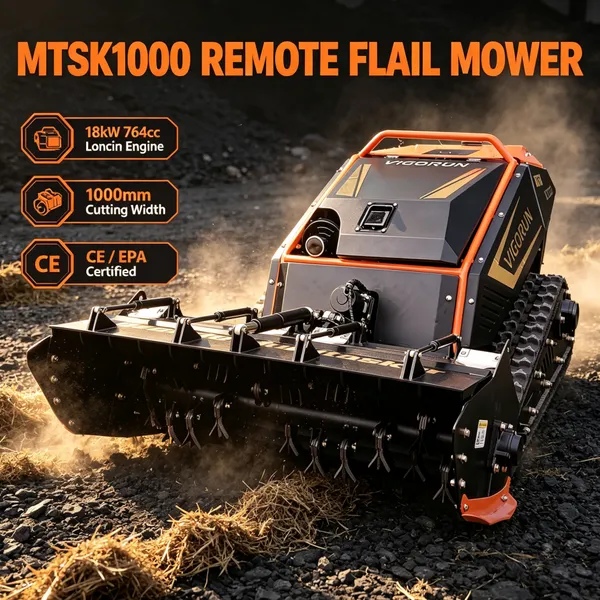 Read More
 -
Remote Controlled Pesticide Sprayer with 600L Tank 8.4m Boom for Agricultural Applications
August 10, 2026*Electric Start & 13kW Loncin Engine for Powerful Agricultural Spraying: Maximize field application efficiency with the SPRY60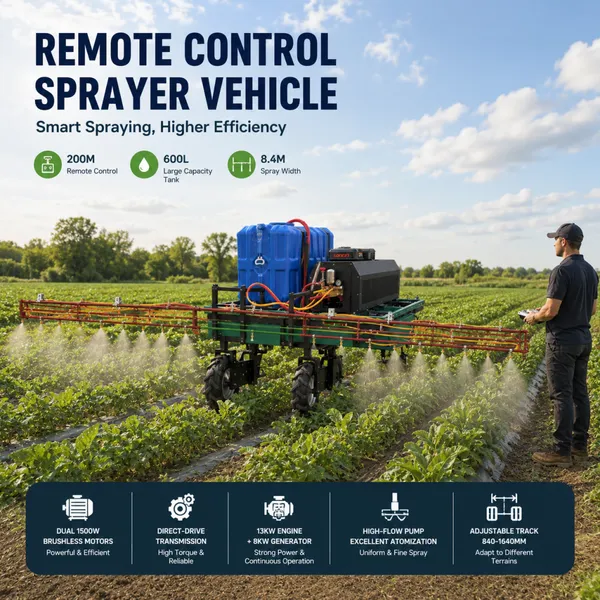 Read More
 -
Self Propelled Agricultural Boom Sprayer with Adjustable Track for Modern Farming
August 10, 2026*Electric Start & 13kW Loncin Engine for Powerful Agricultural Spraying: Maximize field application efficiency with the SPRY60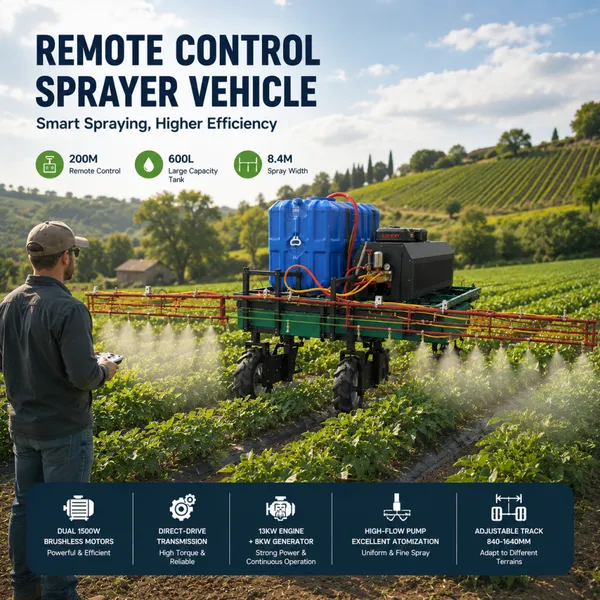 Read More
 -
Automatic Remote Control Agricultural Spray Machine with 600L Chemical Tank and Boom System
August 10, 2026*Electric Start & 13kW Loncin Engine for Powerful Agricultural Spraying: Maximize field application efficiency with the SPRY60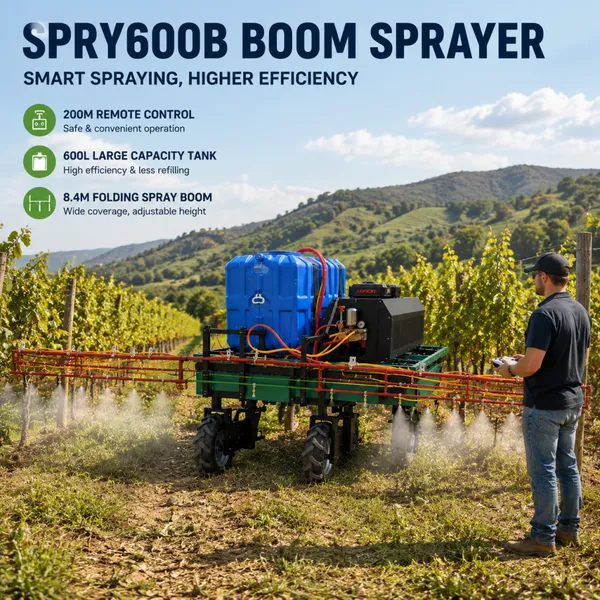 Read More

Contact Us
Recommended Products
-
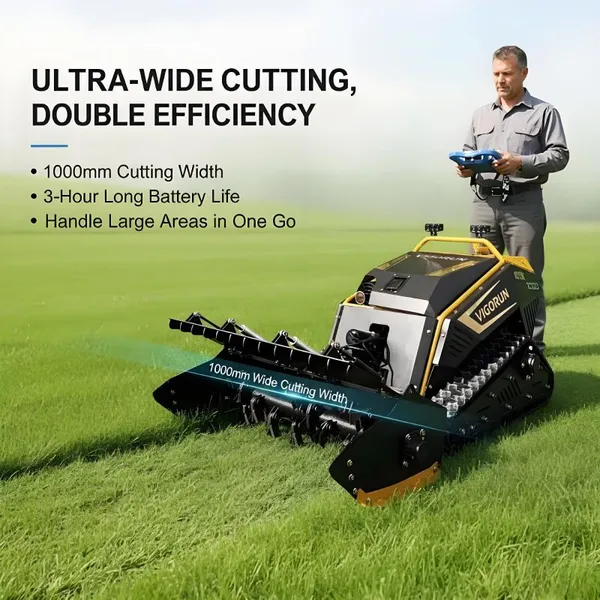
 Vigorun Lawn Mower Robot, Industrial Dual 48V 1500W Motors MTSK1000 Mulcher Machine for Large LandscapesUS$ 7500.00 - 7700.00MOQ: 1 Set
 -
Farmland Orchards Battery Powered Mower Gasoline Golf Mower Robot Lawn Mower 3000m2 Vigorun Remote Control Grass MowerUS$ 2580 - 2700MOQ: 1 Unit
-
Vigorun MTSK800 Automatic Remote Control Grass Cutting Machine 48V 20Ah Battery Remote Flail MowerUS$ 2800 - 2900MOQ: 1 Set
-
Vigorun MTSK1000 Remote Control Mower 24hp Fail-Safe Slope Braking Remote Control Forest MulcherUS$ 8000 - 8200MOQ: 1 Set
-
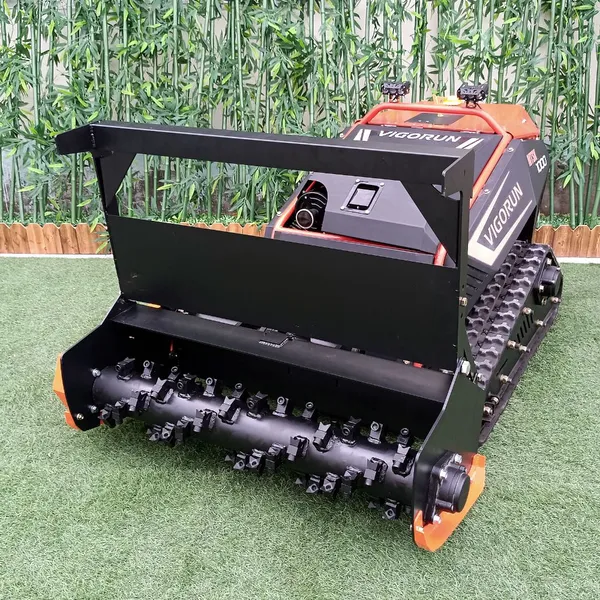
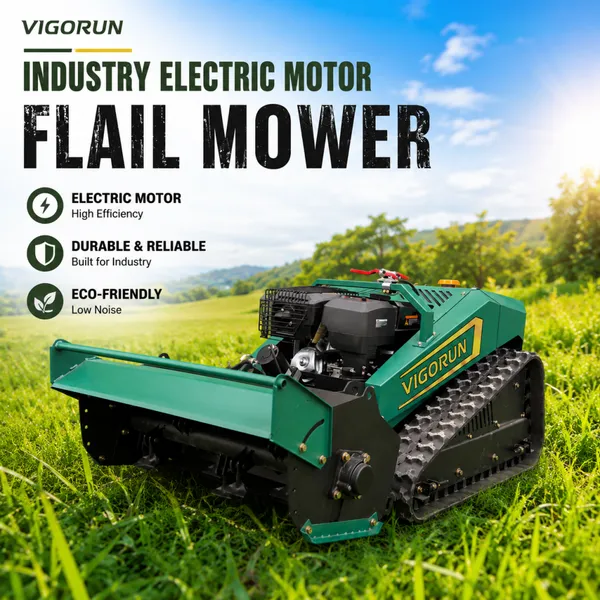
Industry Electric Motor Lawn Mower Flail Mower Atv Gasoline Hedge Trimmer Battery LawnmowerUS$ 2580 - 2900MOQ: 1 Unit
-
Vigorun Agricultural Tractor Sprayer Euro 5/EPA Electric Agricultural Sprayer 600l for VineyardsUS$ 2600 - 2700MOQ: 1 Set
-
Remote Control Tracked Hillside Mower 800mm Cutting Width 60 Degree Slope for Steep Terrain VegetationUS$ 2600 - 2700MOQ: 1 Set
-
Vigorun VTLM600 RC Lawn Mower Robot CE EPA Certified 45° Extreme Slope Mini Crawler Lawn MowerUS$ 1700 - 17900MOQ: 1 Set
-
Remote Controlled High Efficiency Fog Cannon Spraying Machine 600L Tank for Agriculture and Dust ControlUS$ 2800 - 2900MOQ: 1 Set
-
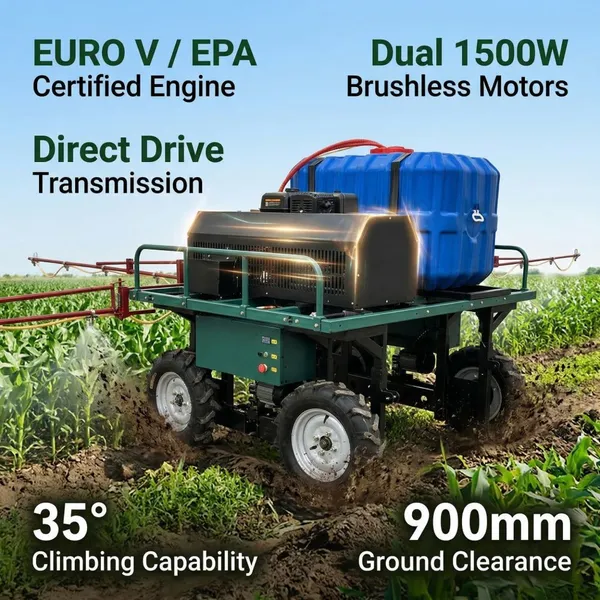
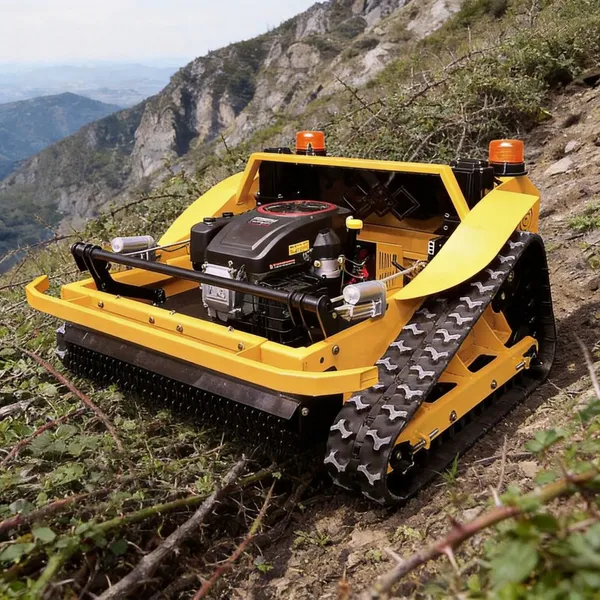
Vigorun Radio Control Mowing Euro 5/EPA Self-Propelled & Precise 6hp Remote Control Crawler MowerUS$ 1700 - 1790MOQ: 1 Set
-
Factory Manufacturer Vigorun MTSK1000 1000MM Commercial Branch Cutter Flail Mower rc Remote Petrol Lawnmower Mower Grass Cutter TractorUS$ 8000 - 8200MOQ: 1 Set
-
Vigorun VTW550 Remote Control Grass Cutter Tractor Robot Gas Lawn Mower Grass Cutter Small Electric Lawn Mower Vigorun Lawn MowerUS$ 1000 - 1250MOQ: 1 Set
-
Vigorun Tech Gasoline Remote Control Lawn Mower Self-Locking Slope Safety RC Mower Tiller for EmbankmentsUS$ 2800.00 - 2900.00MOQ: 1 Set
-
Mower Gasoline Grass Cutter Machine Remote Control 1000mm Cut 35 Degree Slope Flail Hammer for Overgrown LandUS$ 7500 - 7700MOQ: 1 Set
-
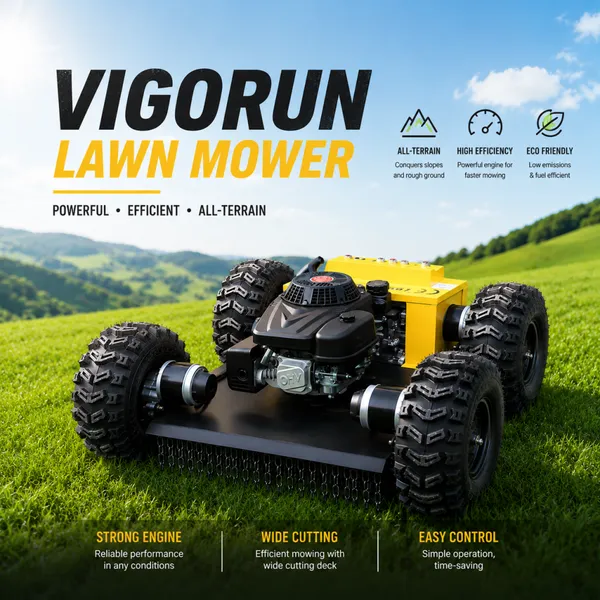
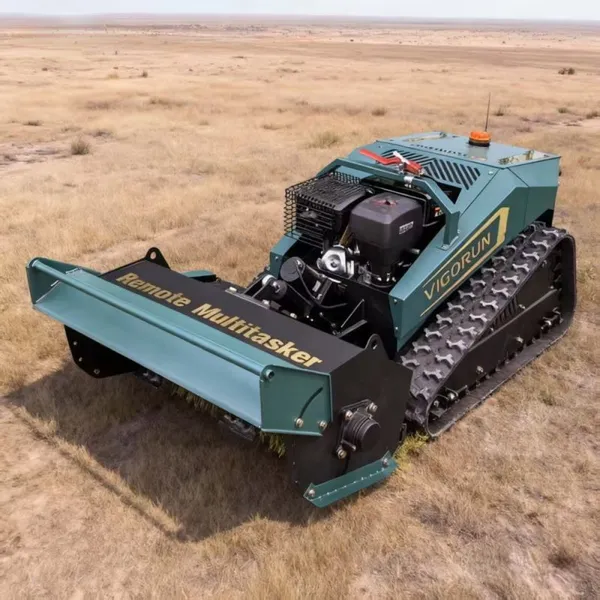
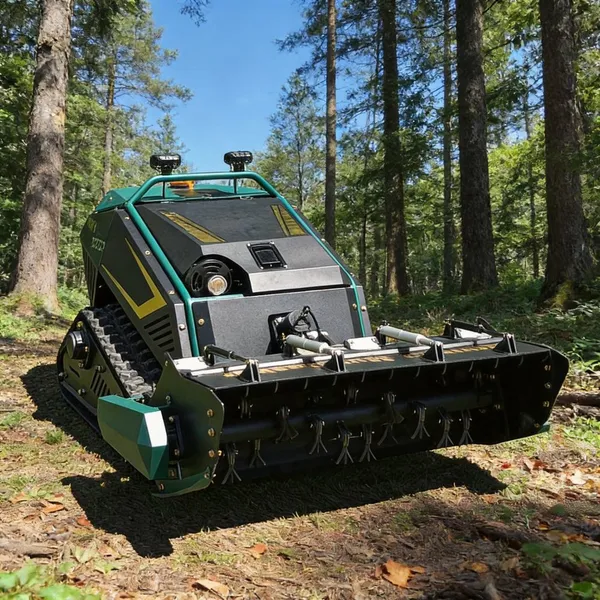
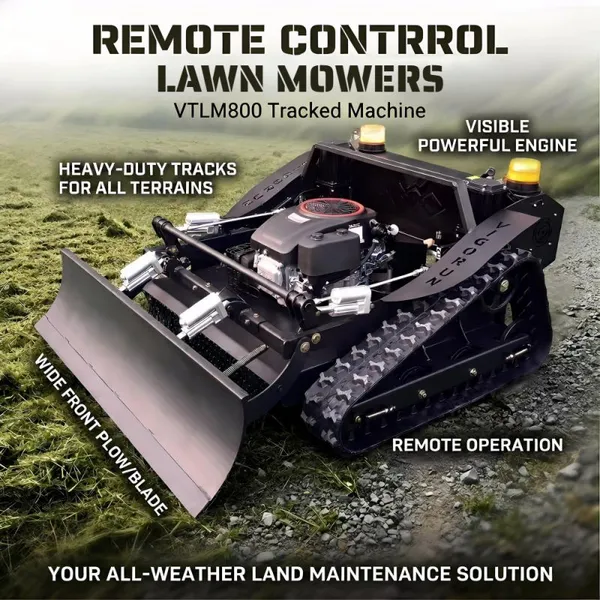
Vigorun VTLM800 Remote Control Electric Mower, Self-Locking Slope Safety Crawler Mower for Steep SlopesUS$ 2600.00 - 2700.00MOQ: 1 Set
-
Shrub and Brush Clearing MTSK800 MTSK1000 Flail Mower rc Remote Weeding Weeder MachineUS$ 2800 - 2900MOQ: 1 Set
-
RC Robot Lawn Mower Electric Remote Control Flail Grass Cutter Garden Cutting Machine MTSK1000US$ 8000 - 8200MOQ: 1 Set
-
Remote Manipulation Rubber Track Brush Cutter Industrial Flail Mower for Efficient Shrub ClearingUS$ 2000.00 - 2790.00MOQ: 1 Set
-
Vigorun MTSK1000 Rc Lawn Mower, Loncin 764CC Gasoline Engine Forestry Mulcher With Remote Control for ForestryUS$ 7500.00 - 7700.00MOQ: 1 Set
-
Vigorun VTC550 Zero Turn Electric Mower Quality Guaranteed Crawler Brush Cutter For Embankments & LeveesUS$ 1600 - 1690MOQ: 1 Set